Establishing a Standard in Professional Competence
IACPE certifies practicing engineers through rigorous curriculum, real-world applications, and internationally recognized credentials.
Knowledge · Certification · Networking
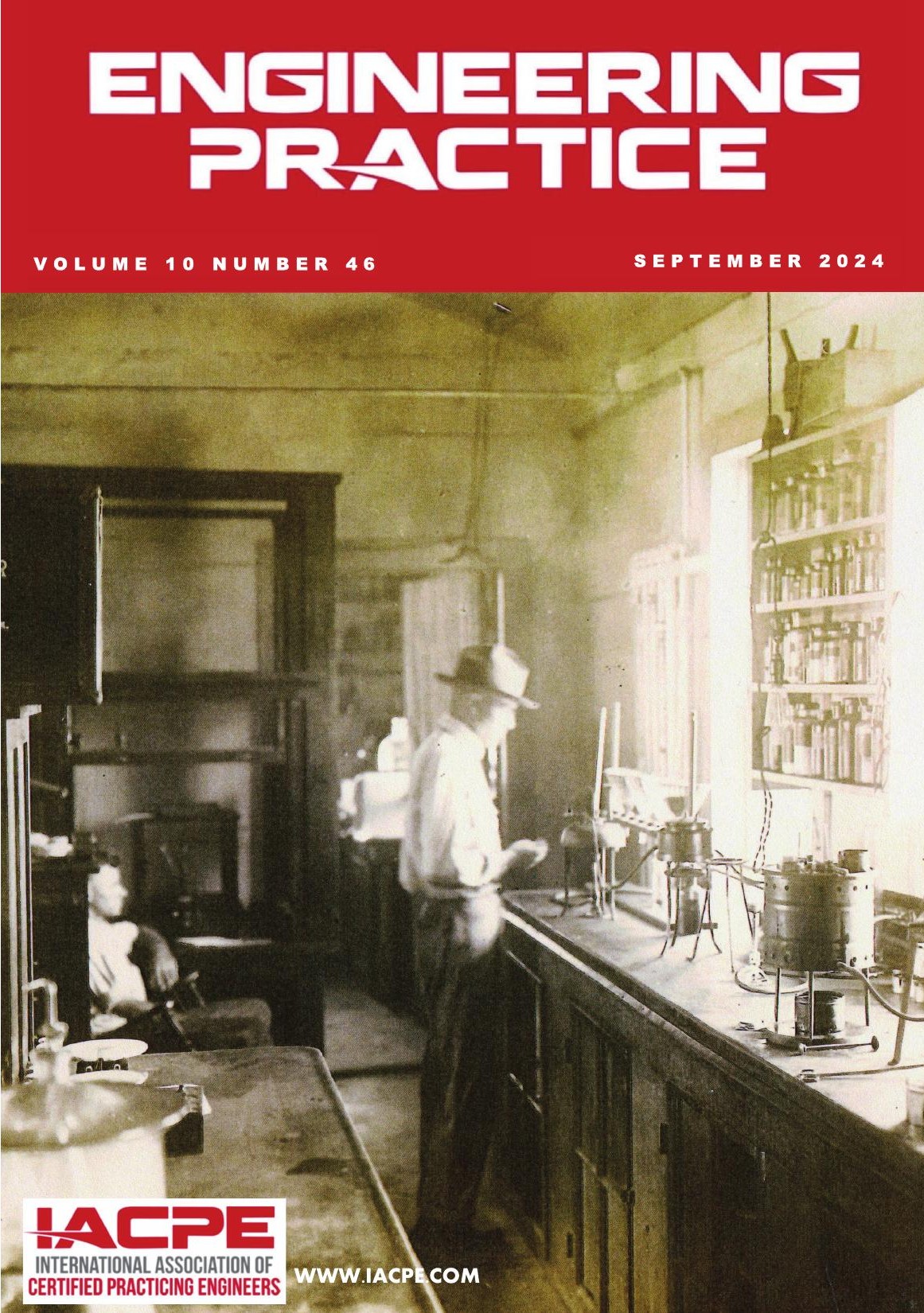
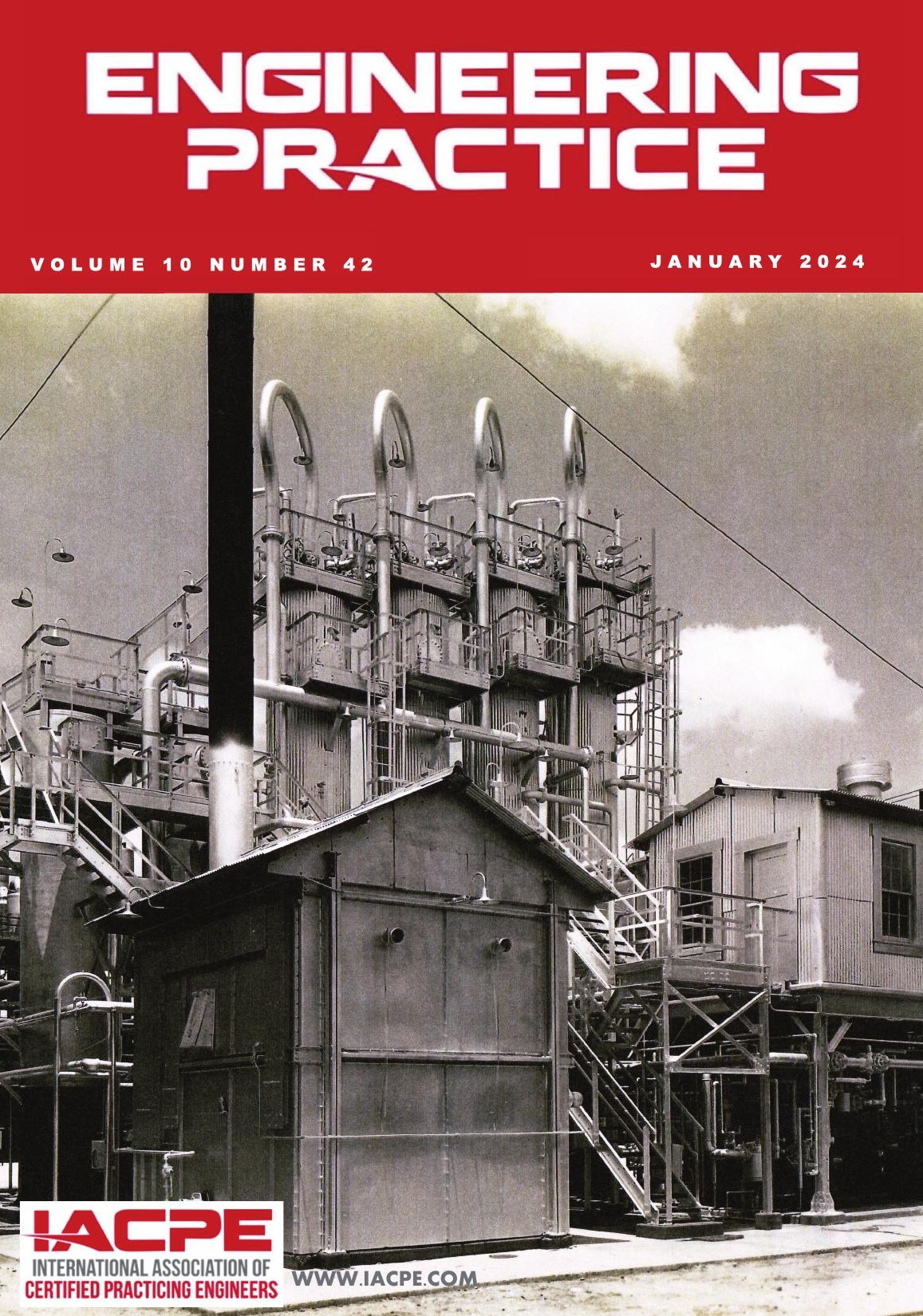
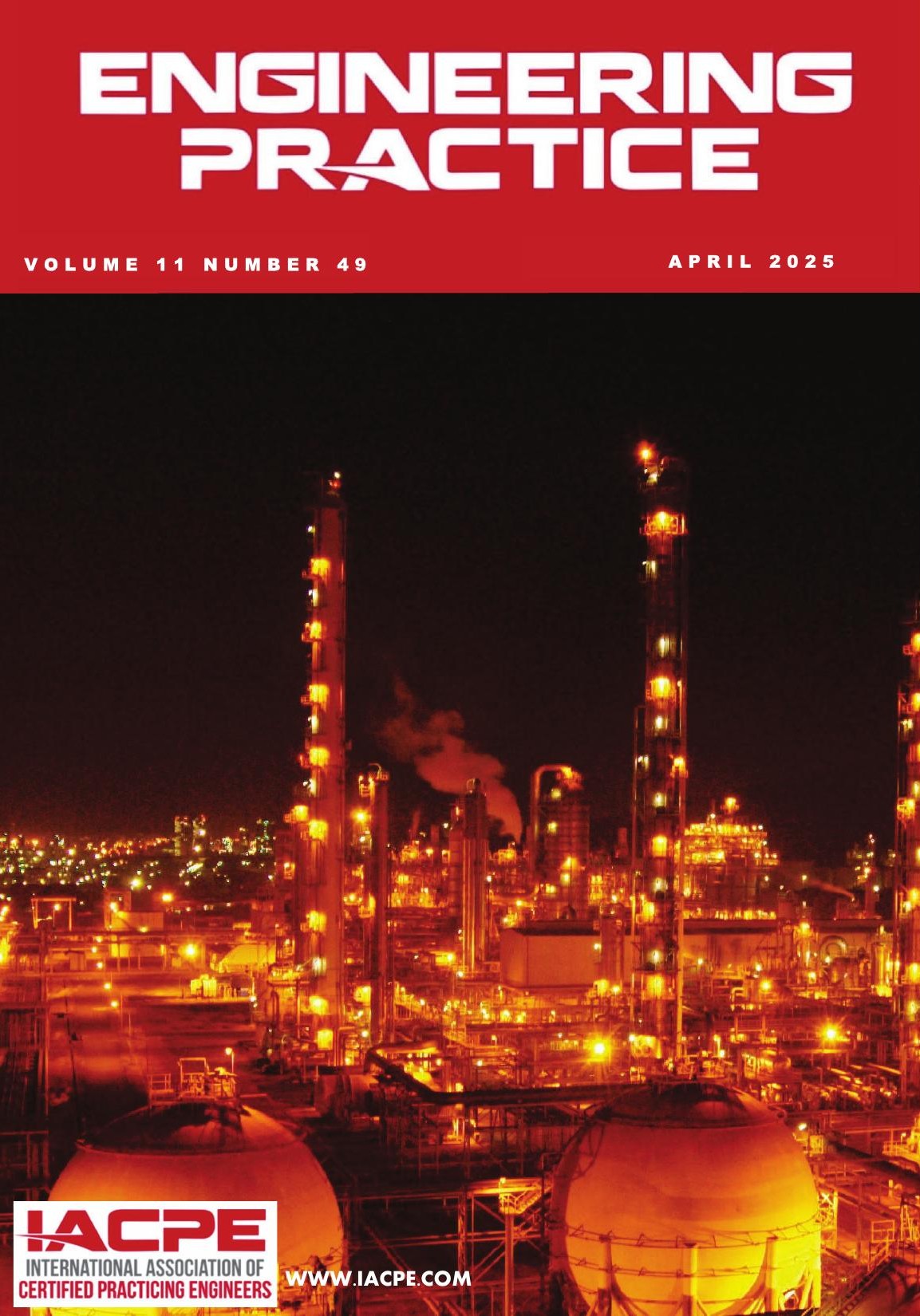
Engineering Practice Magazine
Our quarterly publication brings the latest in chemical processing, refining, renewable energy, and engineering technology from global experts.
Developing & Emerging Economies
Equal Opportunity for Engineers Worldwide
IACPE was built to support engineers in developing nations with affordable, internationally respected certification programs.
Knowledge · Certification · Networking
125+
Years Combined Leadership Experience
3
CPE Certification Levels
10+
Specialized Programs
40+
Magazine Issues Published
What We Offer
🎓 Become Certified
The CPE designation validates your engineering knowledge across three progressive levels built for practical, real-world engineering careers.
Learn More →
📚 Engineering Practice Magazine
IACPE's official bi-monthly magazine with in-depth articles from global engineering experts covering refining, distillation, renewables, and more.
Browse Issues →
⚙ Specialized Programs
From CCSS to CPPM to CPT — IACPE offers targeted certifications for safety specialists, project managers, process technicians, and more.
View Programs →
🏛 University Partnerships
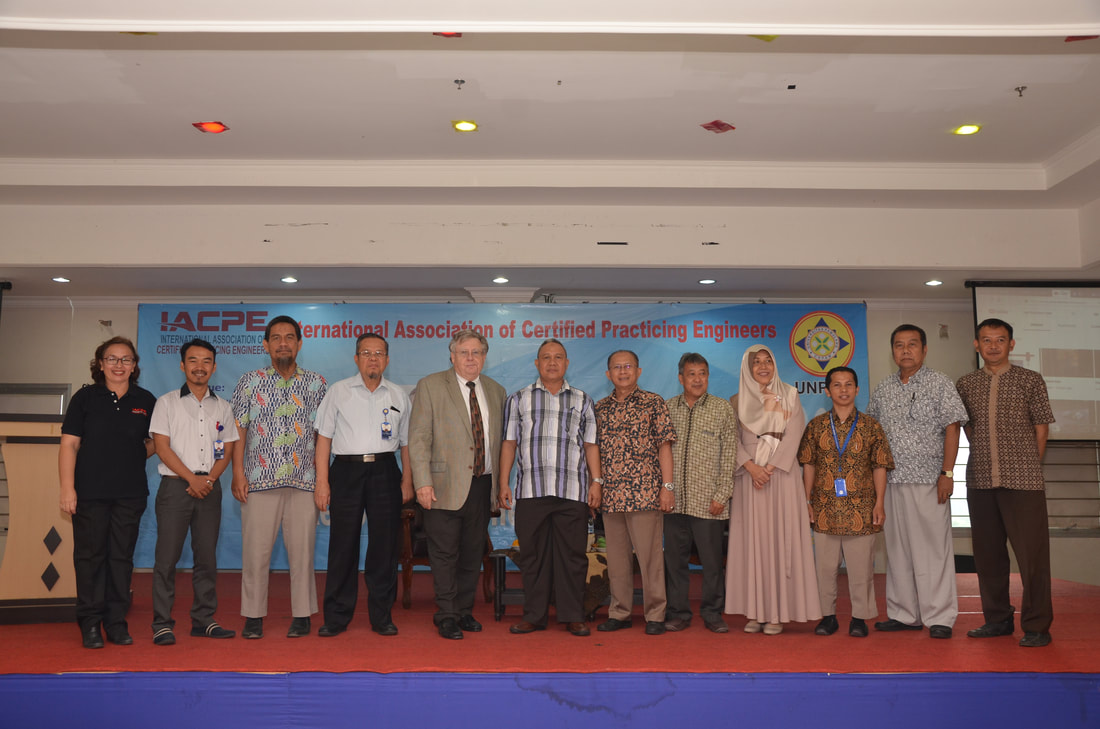
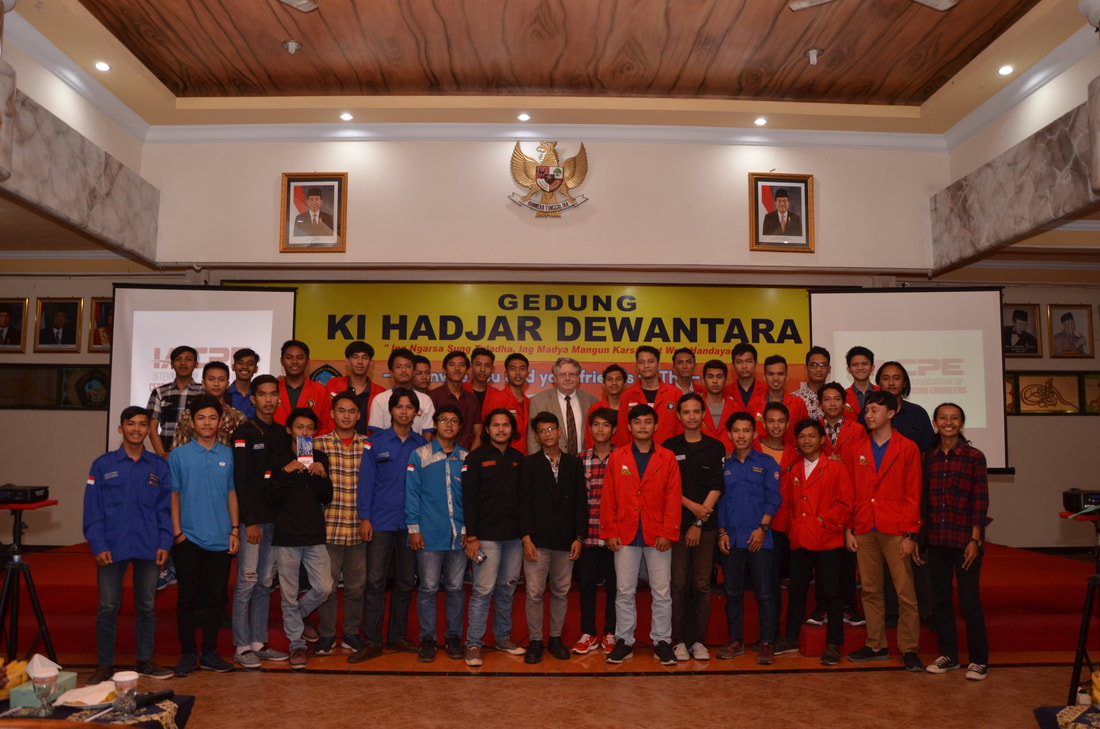
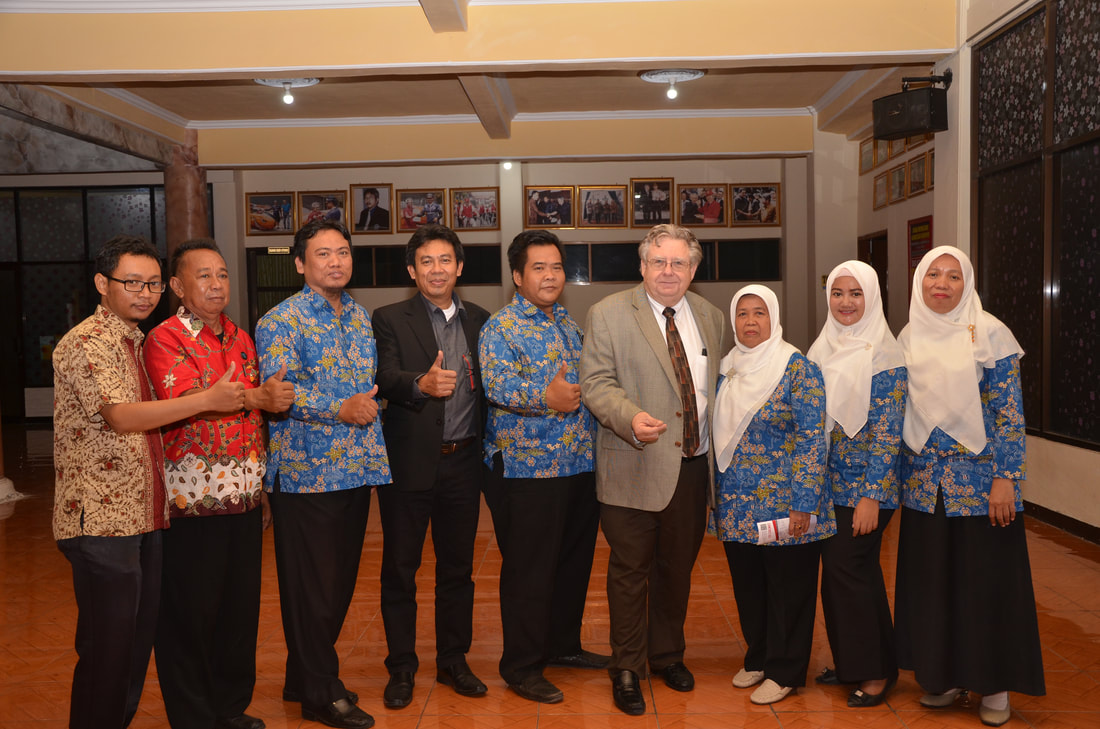
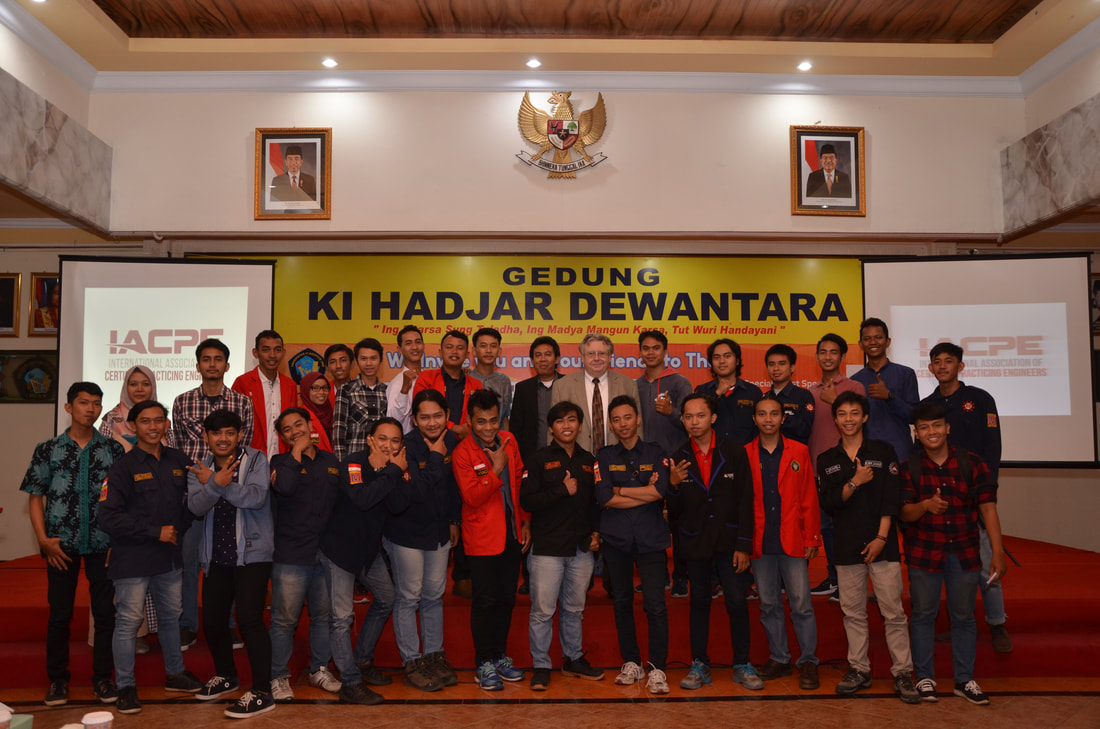
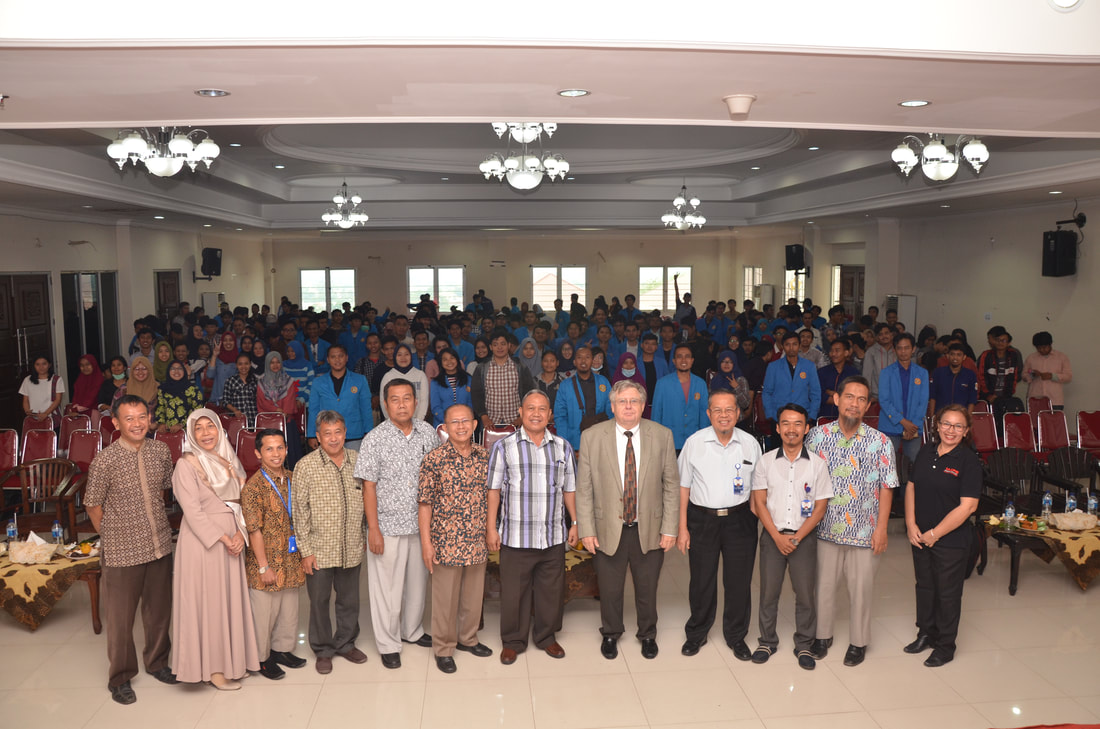
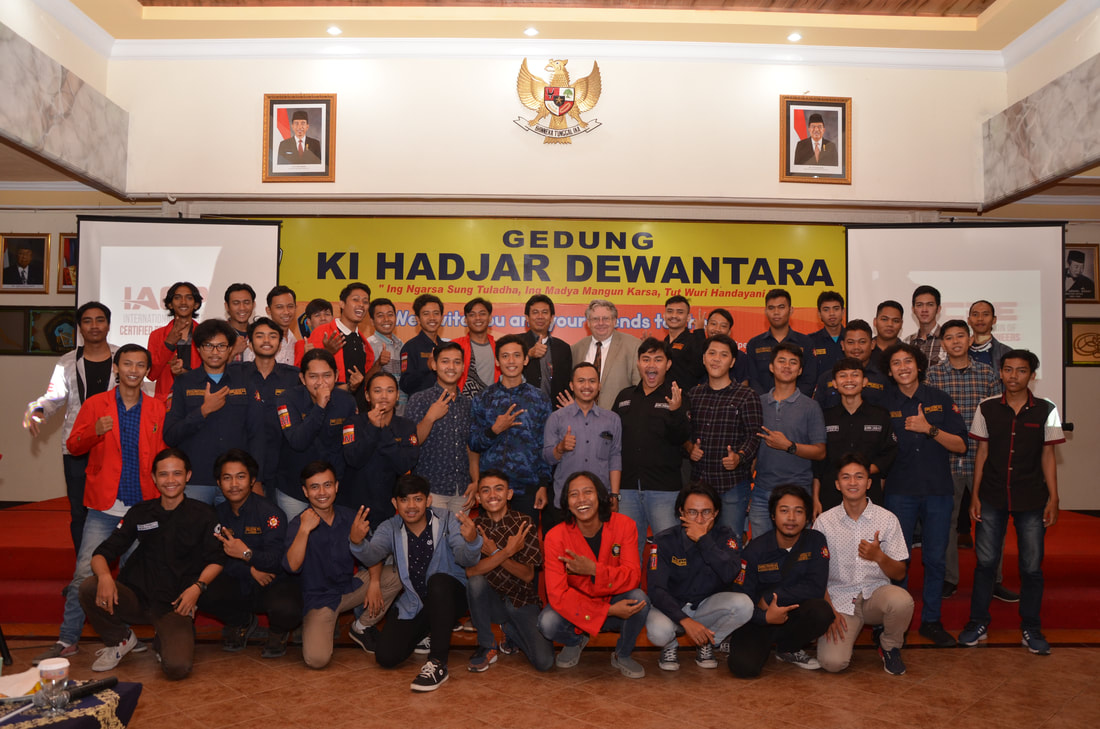
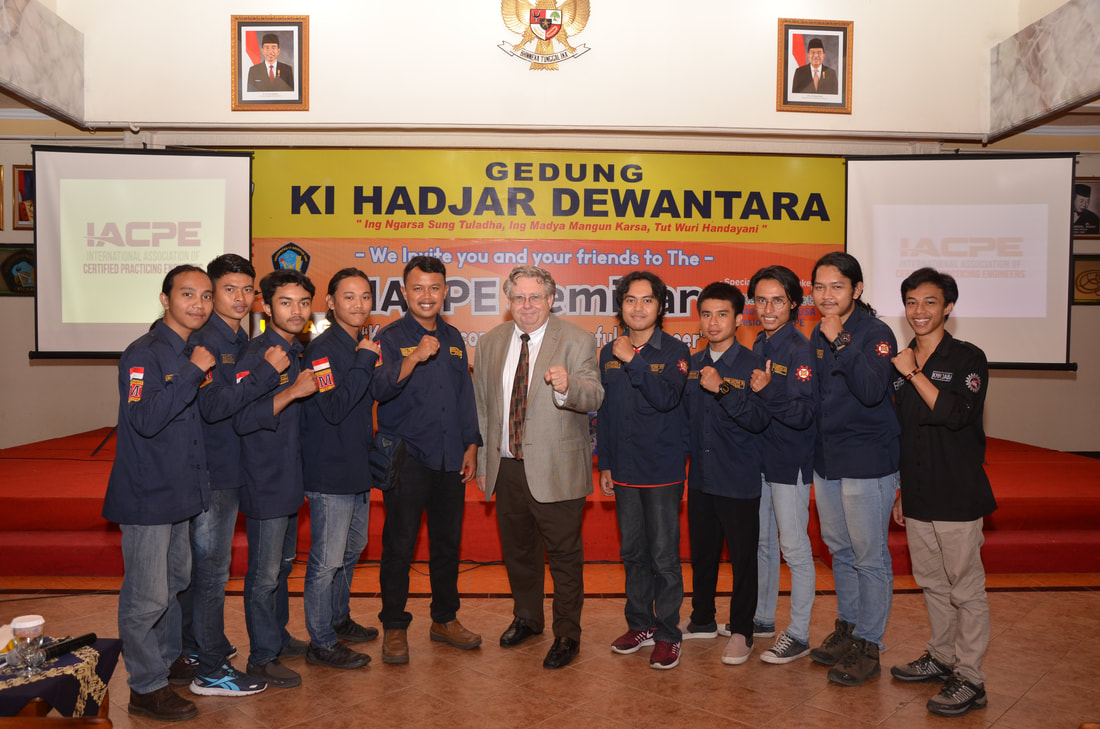
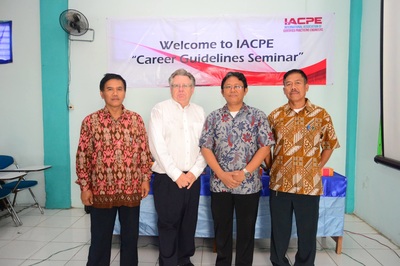
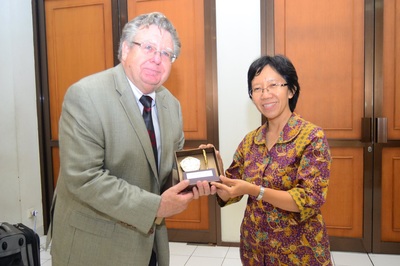
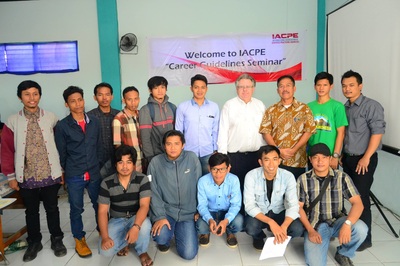
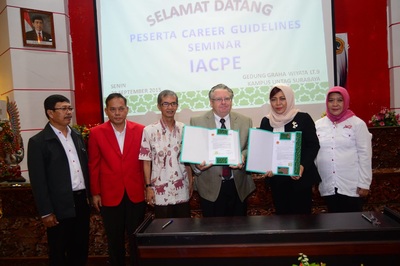
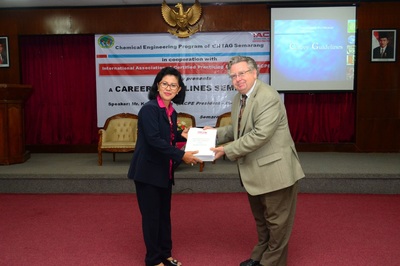
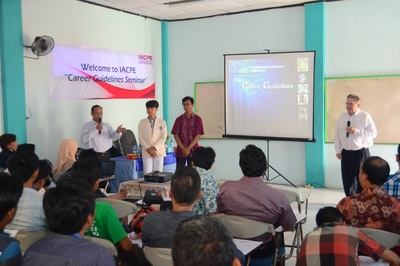
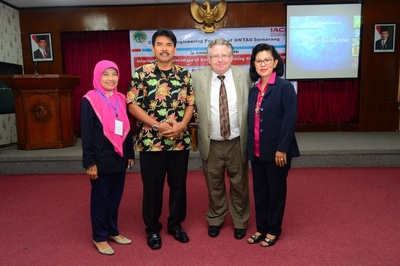
IACPE partners with universities globally, integrating CPE Level I into engineering graduation pathways in Indonesia, India, and beyond.
Our Partners →
📰 Media Partner Events
IACPE hosts and partners with industry conferences and seminars globally...
View Events →
🏆 Distinguished Engineer Award
IACPE annually recognizes outstanding engineering leaders across Academic, Technology, Young Engineer, and Student Divisions.
Nominations →
About IACPE
Mission Statement
Vision
To become a globally recognized association for certification of practicing engineers.
Mission
Based on engineering first principles and practical real world applications, our curriculum has been vetted by academic and industry professionals. Through rigorous study and examination, candidates are able to prove their knowledge and experience.
This body of certified professional engineers will become a network of industry professionals leading continuous improvement and education with improved ethics.
Knowledge. Certification. Networking.
IACPE focuses on three major areas of development for our members: Personal, Professional, and Networking.
Our Commitment
In addition to ensuring a professional level of competency and ethics, IACPE focuses on three major areas of development: personal growth, professional advancement, and meaningful industry networking.
About IACPE
History
"What Else Can I Do To Further My Career?"
The single most common question we encountered during our careers working in the field, running training courses, and lecturing at universities.
The IACPE concept was formulated by the many young professionals and students we met during our careers. We found, depending on a person's available time, finances, and country, the options to further one's career were not equal.
Many times the options available to students in developing countries were too costly and/or provided too little value in an expanding global business environment.
The reality is that most of our founders come from countries that require rigorous academic standards at four year universities in order to achieve an engineering degree. Then, after obtaining this degree, they complete even stricter government and state examinations to obtain their professional licenses in order to join professional organizations. They have been afforded the opportunity to continue their personal and professional development with many affordable schools, programs, and professional organizations. IACPE did not see those same opportunities for everyone in every country.
So we set out to design and build an association dedicated to supporting those engineers in developing and emerging economies.
IACPE took input from industry leaders, academic professors, and students from the Middle East and Southeast Asia — building an organization that would validate a candidate's engineering fundamentals, prove their individual skills, and enhance their networking ability. We wanted to do this in a way that was cost effective, time conscience, and utilized the latest technologies.
About IACPE
IACPE Leadership
IACPE Leadership consists of an Academic Advisory Board, Industry Advisory Board, and Executive Board from around the world with over 125 years of combined experience.
Academic Advisory Board
University professors and academic experts who validate the intellectual rigor of IACPE's curriculum.
View Board →
Industry Advisory Board
Senior industry professionals ensuring programs remain relevant and practically aligned with real-world engineering.
View Board →
Executive Board
The governance body that guides IACPE's strategic direction, partnerships, and global mission.
View Board →
IACPE Leadership
Academic Advisory Board
Indonesia
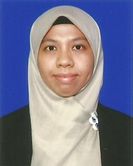
Yuli Amalia Husnil, ST.,MT.,PhD
Lecture at Institute Technology Indonesia, Serpong, Banten. She obtain her B.S. and Master's from Universitas Indonesia in Chemical Engineering in 2006 and master's in 2009. She received her PhD in Yeungnam University, Republik of Korea.
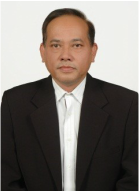
Dr.Ir. Muaffaq A.Jani, M.Eng
Senior lecture and the Dean at Technic Faculty of Universitas 17 Agustus 1945 Surabaya from 2009 to present, He is also an Assessor of Competency for Indonesian Professional Certification Authority (BNSP), Expert in General Occupational Health and Safety, Auditor Management Systems Health and Safety. He was General Manager for PT.Boma Bisma Indra. He obtained his B.S from Institut Teknologi Sepuluh Nopember (ITS) Surabaya in 1990 and his Masters of Engineering in Electrical Engineering in 1995 from Iwate University, Morioka, Japan. He received his Doctor of Engineering also in Iwate University, Morioka, Japan in Electronic Information Science.
Rini Oktavera S.T, M.MT
Senior lecture and Dean at Technical Faculty of Universities W.R Supratman Surabaya. She obtained her B.S from Institute Technology Surabaya in 1996 and her Master of Engineering in Industrial Management in 2000 from Institute Technology Surabaya.
Ery Fatarina Purwaningtyas S.T, M.T
Senior lecture and Head Lecture at Chemical Engineering Department of Universitas 17 Agustus 1945 Semarang. She obtain her B.S from Universitas 17 Agustus 1945 Semarang in 1993 and her Master of Engineering in Chemical Engineering in 2009 from Universitas Dipenogoro Semarang.
Rita Dwi Ratnani, ST., M.Eng
Senior lecture who has served as Dean of the Faculty of Engineering at Wahid Hasyim University, 2013-2017. She is also a Halal Auditors in the Assessment Institute for Food, Drugs and Cosmetics the Indonesian Council of Ulama (LPPOM MUI), and assessors accreditation bodies province school/ madrasah (BAP-SM). She earned a bachelor degree of Chemical Engineering in 1999 at the IST-Akprind Yogyakarta, earned a Master of Engineering in 2008 from Gadjah Mada University. Her research is the field technology Food and waste treatment. Had many articles published on several national journals in field Food and Waste Technology.
Ir. Drs. H. Muradi Suwarg.ina MT
Senior lecture and the President at Sekolah Tinggi Teknologi Fatahillah Cilegon. He is also an Auditor and Energy Assessor. He obtain his B.S from Sekolah Tinggi Teknologi Nasional Yogyakarta, Indonesia and his Master of Engineering in Electrical Engineering from Institute Sains and Technology Jakarta, Indonesia.
Malaysia
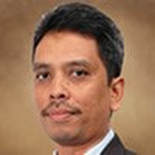
Ir. Dr. Dominic Foo
Professor of Process Design and Integration at the University of Nottingham Malaysia Campus and is the Founding Director for the Centre of Excellence for Green Technologies. He is a Fellow of the Institution of Chemical Engineers UK (IChemE), a Chartered Engineer with the UK Engineering Council, a Professional Engineer with the Board of Engineer Malaysia (BEM), as well as the 2012-2013 and 2013-2014 sessions chairman for the Chemical Engineering Technical Division of the Institution of Engineers Malaysia (IEM). He is a world leading researcher in process integration for resource conservation. He establishes international collaboration with researchers from various countries in Asia, Europe, the Americas and Africa.
Professor Foo is an active author with two books, more than 90 journal papers and made more than 130 conference presentations with more than 15 keynote/plenary speeches. He served as International Scientific Committees for many important international conferences (CHISA/PRES, FOCAPD, ESCAPE, PSE, etc.). Professor Foo is the Chief Editor for IEM Journal, Subject Editor for Trans IChemE Part B (Process Safety & Environmental Protection, Elsevier), Editorial Board Member for Clean Technology and Environmental Policy (Springer), and Chemical Engineering Transactions. He is the winner of the Innovator of the Year Award 2009 of IChemE, Young Engineer Award 2010 of IEM, Outstanding Young Malaysian Award 2012 of Junior Chamber International (JCI), as well as the SCEJ (Society of Chemical Engineers, Japan) Award for Outstanding Asian Researcher and Engineer.
Prof. Zulkafli Hassan
Graduated in 1984 with a BSc. in Petroleum Engineering at the University of Missouri-Rolla (presently Missouri University of Science and Technology) and later received his MSc. in Petroleum Engineering from the University of Strathclyde. He has served at three universities and five campuses, holding various positions including as Head of Program and Department, Deputy Dean as well as Faculty Dean. The highest management position held was as Assistant Vice Chancellor for Corporate Development and Quality Management. His research interests are in flow assurance issues as well as renewables from biomass.
Prof Zulkafli is active in various professional bodies including the Society of Petroleum Engineers (SPE) and the Energy Institute (EI), where he is a committee member of the EI (Malaysia) for the past three years. For his contribution to SPE, he was awarded the SPE Northern Asia Pacific Distinguished Achievement Award for Petroleum Engineering Faculty in 2014. He is a Fellow and a Chartered Energy and Petroleum Engineer (EI) and a UK Engineering Council registered Chartered Engineer (C.Eng). Presently, he is the Dean for the Faculty of Chemical and Natural Resources Engineering, Universiti Malaysia Pahang.
Dr. Sivakumar Kumaresan
Senior Lecturer at Universiti Malaysia Sabah where he started the chemical engineering programme at Universiti Malaysia Sabah in 1998. He has also served as the Deputy Head for Research and Development at the Material and Mineral Research Unit where he oversaw ten research groups and facilitated their research related activities.
He obtained his B.S. from Texas A&M University in Chemical Engineering in 1995 and his MSc in Advanced Control from the University of Manchester Institute of Science and Technology (UMIST) in 1998. He received his PhD in Phytochemical Processing from Universiti Teknologi Malaysia in 2008 where he worked under Professor Dr. Muhamad Roji at the Chemical Engineering Pilot Plant on the standardisation of Tongkat Ali herb extracts.
His area of research is in process modelling and control and herbal processing. He has published 18 international refereed journal articles, 42 proceeding articles and four chapters in a book and also has one patent application filed. He is delighted to have graduated two MSc students and two PhD students to date.
IACPE Leadership
Industry Advisory Board
Brazil
Dr. Marcio Wagner da Silva
Process Engineer and Project Manager focusing on Crude Oil Refining Industry based in São José dos Campos, Brazil. Bachelor in Chemical Engineering from University of Maringa (UEM), Brazil and PhD in Chemical Engineering from University of Campinas (UNICAMP), Brazil. Has extensive experience in research, design and construction to oil and gas industry including developing and coordinating projects to operational improvements and debottlenecking to bottom barrel units, moreover Dr. Marcio Wagner have MBA in Project Management from Federal University of Rio de Janeiro (UFRJ) and is certified in Business from Getulio Vargas Foundation (FGV).
India
Vijay Sarathy
Process Engineer with expertise spanning over 10 years of professional experience in the Upstream Oil and Gas industry. Vijay started his career with GE performing CFD analysis for Gas Turbine Ventilation & Enclosures for GE Nuovo Pignone’s PGT series for ATEX certification purposes and subsequently embarked into areas of FEED, Process Dynamic Simulation including Turbomachinery, Subsea/Onshore pipeline Flow Assurance, Optimization and Cost-benefit analysis for Gas-Oil Separation (GOSP) Units.
Among his achievements, he has successfully initiated & led ENI Saipem India’s first flow assurance & process simulation studies taskforce through in-house technical expertise with a team of 5 members. The venture resulted in significant costs savings of nearly USD 634,000 representing 76% savings as compared to third party service providers of simulation studies in India. The initiative also led to award of subsequent projects in areas of Onshore/subsea oil & gas pipeline flow assurance, LNG Re-gasification, compressor operability studies & gas treatment plants for major clients such as Kuwait Oil Company (KOC), Polskie LNG, ADNOC and Dragon Oil. Vijay has also attended to developmental work, to successfully provide solutions to address Industrial Field Issues such as, orifice sizing for multiphase flow, hydrate abatement in burn pit lines, cryogenic CO2 pipeline transportation issues, selection of Cone Strainers for Gas Compressor Operations to name a few.
Vijay holds a Master’s Degree in Chemical Engineering from Birla Institute of Technology & Science(BITS), Pilani, India and is a Chartered Engineer from the Institution of Chemical Engineers (IChemE), UK. Vijay has worked as an Upstream Process Engineer with major conglomerates of General Electric, ENI Saipem and Shell.
Indonesia
Helmilus Moesa
More than 20 years of experience in operations and management of petrochemical industry including Ammonia Plant (MW. Kellogg, USA), Ethylene Cracker Plant (ABB Lummus, USA), Polyethylene Gas Phase Fluidized Bed Process (Unipol Union Carbide, USA), and Slurry Loop Bimodal Technology High Density Polyethylene Plant (Showadenko, Japan).
Moesa was the Secretary of Regional Olefin Producer Technical Committee (ROPTC) South East Asia Region (2005-2006); he is currently the General Manager of Process Technology at PT Chandra Asri, the largest worldwide Olefin base Petrochemical company in Indonesia; and he is a team member for the Indonesian Petrochemical Industry Development. He graduated in Chemical Engineering from The Gadjahmada University, Yogyakarta. He actively conducts presentations to government officers and investors as well as performs professional training and is a guest speaker at petrochemical related events.
Supriyanto
Bachelor degree in Chemical Engineering from Gadjah Mada University UGM, Indonesia (1995). He has more than 17 years in petrochemical business experience in various areas of manufacturing, technical, planning and optimization in PT Chandra Asri. The experience consists of one Cracker plant, two Polyethylene plants, three Polyethylene plants, two Styrene plants, one Butadiene plant, and utilities supporting plants.
Since 2010 Supriyanto has been the General Manager of Planning and Optimization PT Chandra Asri. He is responsible for the management and optimization of the plant asset and material supply chain with the objective to maximize overall company profit. In 2013 he introduced a new workflow system in optimizing the business planning.
From 2007–2010 he was the Manager of Process and Technology PT Chandra Asri. During that time he was responsible for maintaining and improving the process condition of plants. He achieved significant savings of tens of millions of dollars through process improvements. From 2002–2007 as the Production Manager of High Density Polyethylene plant he was responsible for maintaining the production volume and quality as well managing human resources. He both achieved and booked new production records and successes in the incremental debottlenecking project. From 1995–2002 as the Staff engineer, Senior engineer of High Density Polyethylene plant he was responsible for trouble shooting, analysis and reporting of the plant performance.
Supriyanto has both publications and presentations to his credit including: 2014 AIChE Meeting New Orleans-USA. “Optimization Approach for Managing Integrated Petrochemical Business Planning;” 2009 Regional Olefin Producer Technical Conference – ROPTC, Thailand “Linear Programming for Optimization Yield and Variable Margin;" and 1996, 1998 Technical Exchange Meeting CAP-Showa Denko, Japan.
Malaysia
Lee Pheng
Chemical engineer who graduated from Universiti Technologi Malaysia in year 2003. Certified in Lean Six Sigma Black Belt, possesses 12 years comprehensive polymer industry knowledge in the fields of operations management and process engineering with extended progressive experience in pre-commissioning and commissioning.
Started her career as technical engineer in Titan Petchem (renamed as Lotte Chemical Titan). She then join the Synthomer group and her passion earned her the position of youngest Senior Manager in where she was responsible for the 200KTA site, the world biggest nitrile production unit as well as the butadiene storage facility site. She is now being invited to co-lead in business transformation projects for Asia.
Mohammad Rohizat Abdul Aziz
Regional Technical Manager for Polyolefin Catalyst Division at a Multinational Chemical Company. Former Senior Manager at Titan Petrochemical Group, which was responsible for Polyolefin Manufacturing in Polyethylene and Polypropylene units. 14 years at Titan in roles of Superintendent, Production Manager, Technical Manager and Business Analyst Manager. He had also worked in polymer converter plant in BOPP, IOPP, PE film extrusion for 7 years. . Graduated in Polymer Technology from University of Mara Institute Technology in 1985 and received his Master In Business Administration from Nottingham Trent University, UK in 2004.
Philippines
Erebert Caracas
Mechanical Engineer with 15+ years in engineering, construction, maintenance and reliability of petrochemical plants. The experience consists of one ethylene cracker plant, two polyethylene plants, one polypropylene plant including its utilities supporting plants. Since 2015, Erebert has been the Mechanical Superintendent of the Polyethylene and Polypropylene plant.
Erebert was the Sr. Mechanical Engineer of JG Summit Technical Team during the detailed engineering, construction, commissioning and plant start-up of the first and only cracker plant in the Philippines.
USA
Randy Conley PE PMP
Broad based technical/managerial experience in the refining and process control/optimization areas. He has authored several technical papers and given technical presentations in Texas (Beaumont, Houston, San Antonio, Dallas); Chicago, Illinois; Antwerp, Belgium; and Paris, France.
Stephen J. Wallace
Certified Safety Professional and Professional Engineer, registered in multiple states in the USA. In his career, he has led award-winning environment, safety, and health programs in the public and private sectors. He was a lead investigator into the causes of chemical accidents for the USA Government for multiple years. He has published numerous articles in engineering and safety journals, has provided consulting services and taught courses throughout the USA and internationally. He is an honorary adviser to the IACPE Industrial Board.
Timothy M. Zygula
Over 20 years of progressive experience in the design, construction, commissioning, and operation of process units from the US Gulf Coast. He has a strong background in the manufacturing of a wide variety of chemical process technologies and product categories including; ethylene, propylene, and styrene monomer.
His experience includes five years as a process engineer with Glitsch, Inc., responsible for field troubleshooting fractionating equipment, process design and fractionating equipment design for a variety of petrochemical applications. He was also a research and development engineer where he was responsible for fractionating equipment testing and development.
Zygula presently has 15 years of Ethylene operation/design experience and four years of Styrene production/design experience in both Louisiana and Texas.
He has a Master of Science in Chemical Engineering from McNeese State University in Louisiana and a Bachelor of Science in Chemical Engineering from The University Of South Florida. Zygula is a member of the American Institute of Chemical Engineers.
IACPE Leadership
Executive Board
Karl Kolmetz
Over 25 years of progressive experience in the design, construction, commissioning, and operations management of process units from the US Gulf Coast to Alaska through Asia. He has a strong background in the manufacturing of a wide variety of chemical process technologies and product categories.
His experience includes four years of construction, two of which were on the Alaskan Pipeline with Fluor Daniel. Sixteen years of refining experience in the Charter / Phibro (now Valero) Refinery in Houston, Texas. One year of commissioning experience with Raytheon Badger Ethyl benzene / Styrene plants in Asia. Seven years ethylene experience; four years in Louisiana and three years in Malaysia with the Westlake / Titan Group. Four years of distillation design experience as the Asia Pacific Technology Manager for Sulzer Chemtech, a specialty distillation company, and General Manager for KLM Technology Group.
Kolmetz is authoring a book on Process Plant Equipment Design. He has been nominated to a task force to help review Chemical Engineering Curriculum in Malaysia. He has a Bachelor of Science in Chemical Engineering from The University of Houston.
William B. Lotz
Over 20 years of experience in the construction, operation, and optimization of process units on the US Gulf Coast. His strengths encompass project management skills, ability to complete assigned tasked, and out of the box optimization ideas based on economic principles.
Experience includes five years of project management in general and industrial construction. Over twenty years of Refining experience in the Valero and CITGO systems in Houston and Texas City, Texas. Progressively promoted through the maintenance, operations, laboratory, marine inspection groups and process analytics including benchmarking, yield economics and utility management.
For the last 10 years has managed ASTM, Federal and States Fuels Compliance. Participated in the development of new fuels including various Ethanol/Gasoline blends and ECA Marine fuel. He has a Bachelor of Science degree from The University of Houston Clear Lake.
About IACPE
Curriculum
IACPE's curriculum was designed with a focus on the Engineer and Employer. The foundation started as lecture material for undergraduate and graduate engineering courses — the content has been the basis for papers and presentations at international engineering conferences and has been implemented by several multinational engineering firms as their in-house training programs for new engineers.
→ View CPE Requirements
For the Engineer
IACPE designed a curriculum that validates all your existing skills and knowledge, but does not tie you down for weeks in the basic fundamentals of engineering. We trust your minimum of three (3) years of STEM education will allow you to quickly move through the fundamentals and on to the more practical portions of the curriculum.
The heart of IACPE's program is designed for you to learn and master the many practical real world engineering concepts that can be expected by a mid-to-senior level engineer. In Level II and III, half of the required modules are selected by the student, giving you the flexibility to focus on new subject areas or to complete a mastery of a known subject.
This curriculum will require you to master all the subjects from basic fundamentals to real world concepts. It will challenge you with multiple choice tests, design projects, and interactive seminars or webinars.
To complete your CPE Level III you are required to pass an oral assessment. During this one-on-one assessment you will visually and verbally demonstrate your working knowledge of the course material by solving a practical engineering problem in front of one of our industry or academic board members.
For the Employer
IACPE has designed a curriculum that is transparent and clearly rooted in engineering fundamentals in order to validate for the employer the academic capabilities of the CPE holder. IACPE puts front and center an emphasis on ethics and safety in every course.
You can view examples of course material, see example quiz and test questions, along with an example of our required design project for CPE Level II graduates.
Some of the material in this program is likely to be more difficult than your employees saw during their undergraduate studies. This program will be too challenging for some, but for those that demonstrate a command over this material they will undoubtedly be valuable assets to your team.
Overview of Courses
CPE Level I
Fundamental Engineering
Six (6) Fundamental Engineering Modules
One (1) Safety Module
One (1) Ethics Module
One-hundred (100) self-study questions per module
Twenty-five (25) question comprehensive final exam with a minimum passing score
Approximately forty (40) classroom hours of instruction
CPE Level II
Practical Engineering
Three (3) Required Practical Engineering Modules
Four (4) Student-Selected Practical Engineering Modules
One (1) Webinar (internet based course)
One-hundred (100) self-study questions per module
Twenty-five (25) question comprehensive final exam with a minimum passing score
One (1) Assessment Design Project
Approximately forty (40) classroom hours of instruction
CPE Level III
Advanced Practical + Oral Exam
Three (3) Required Practical Engineering Modules
Four (4) Student-Selected Practical Engineering Modules
One (1) Webinar (internet based course) or attend regional three (3) day classroom instruction
One-hundred (100) self-study questions per module
Twenty-five (25) question comprehensive final exam with a minimum passing score
One (1) oral examination by academic board or industry member
Approximately forty (40) classroom hours of instruction
About IACPE
University Partnerships
About Our University Program
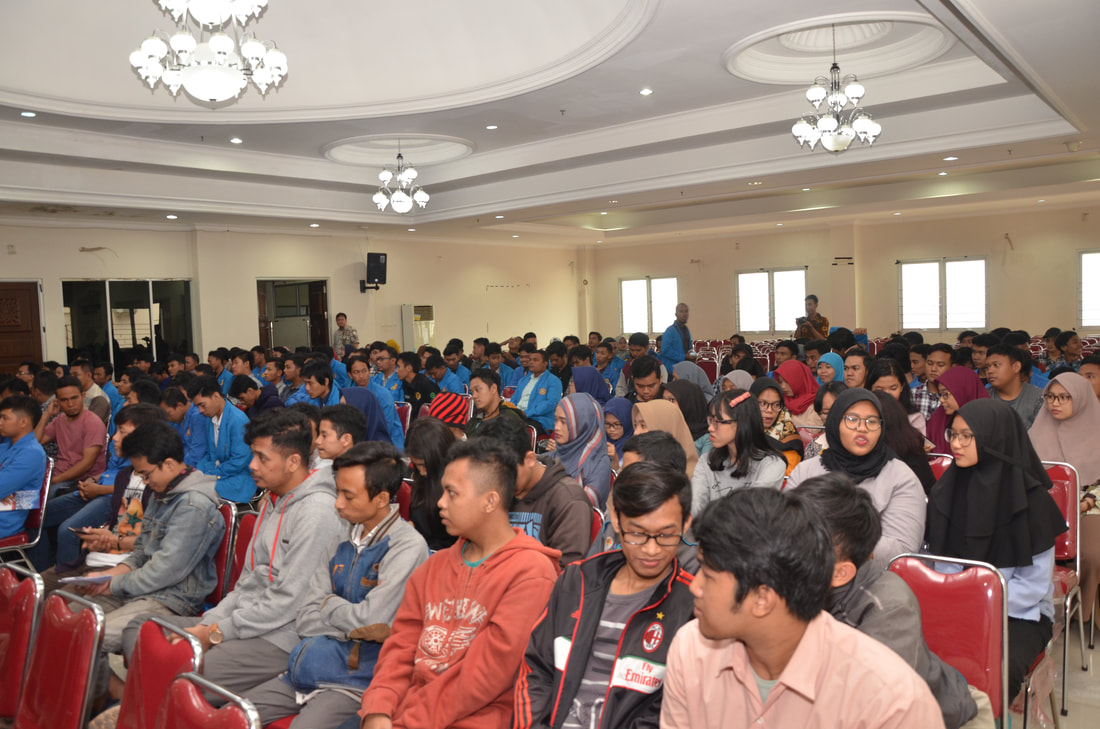
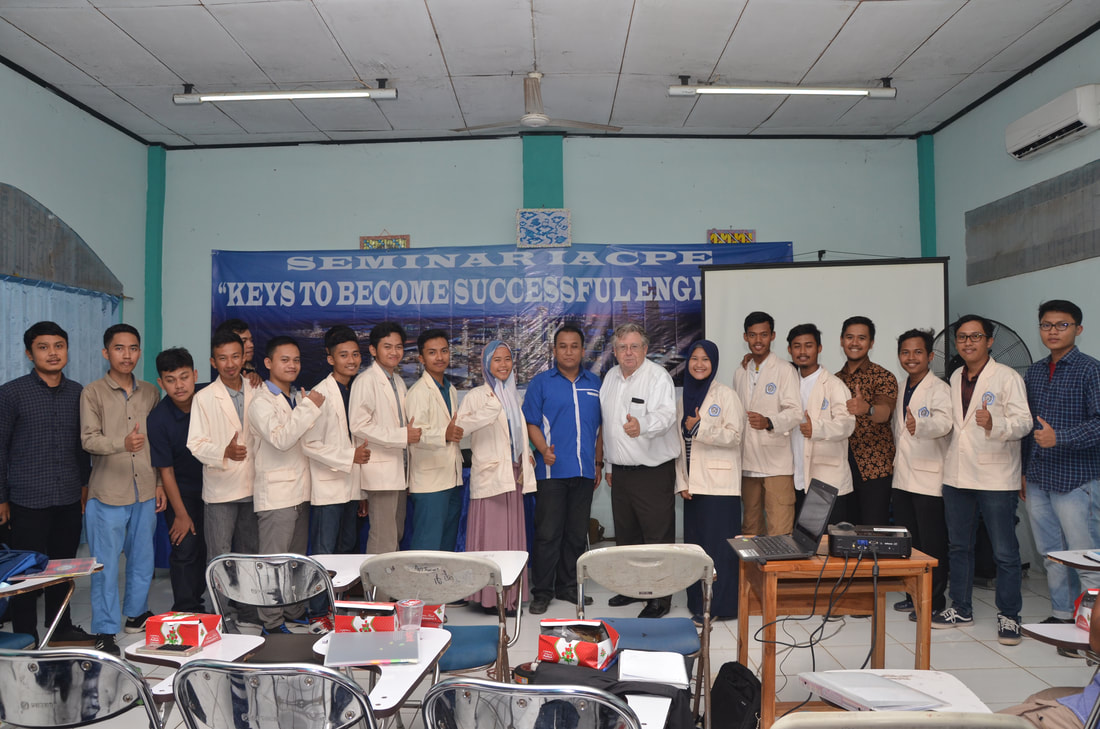
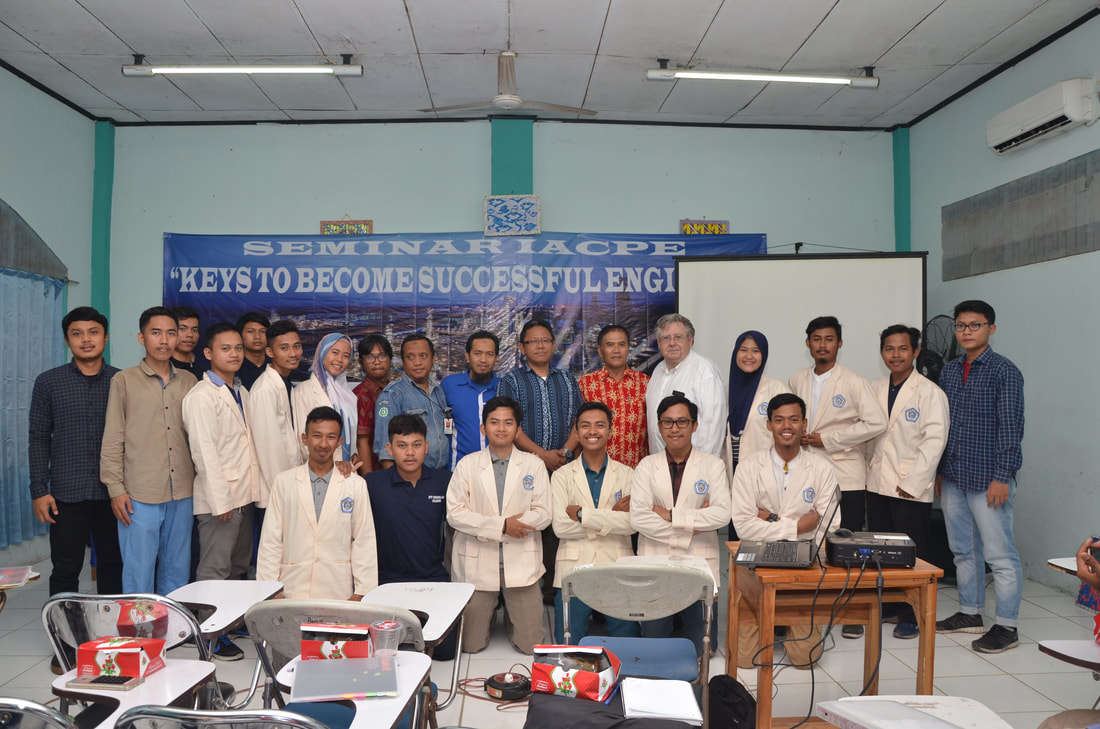
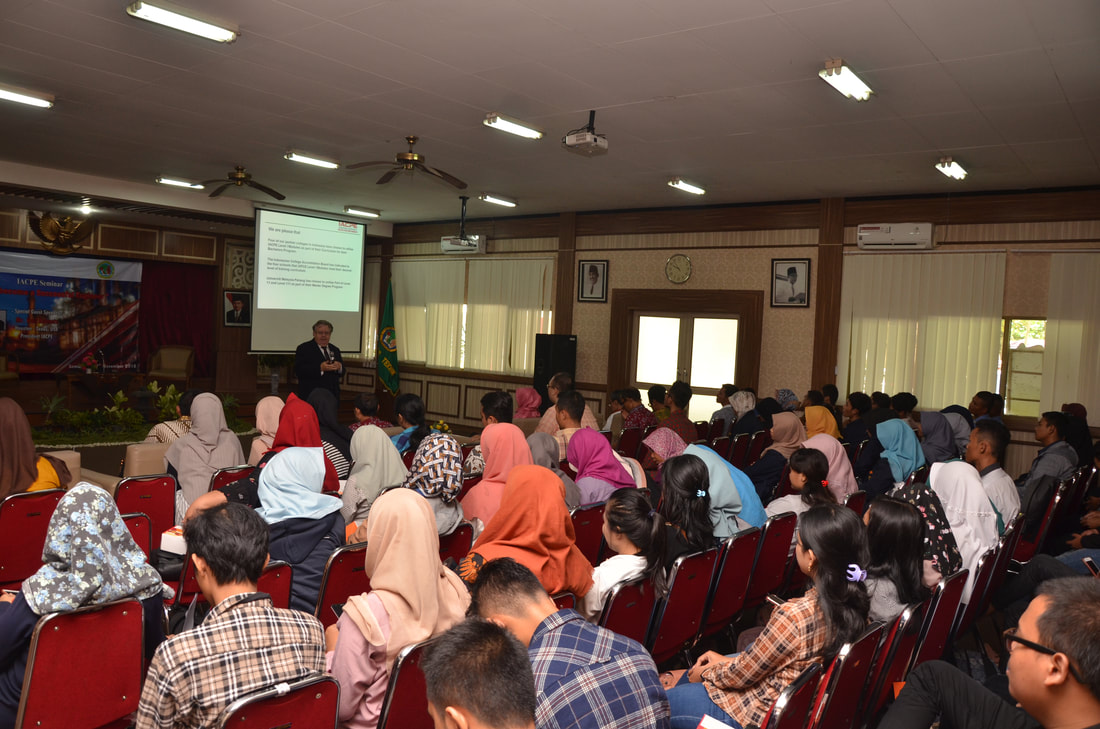
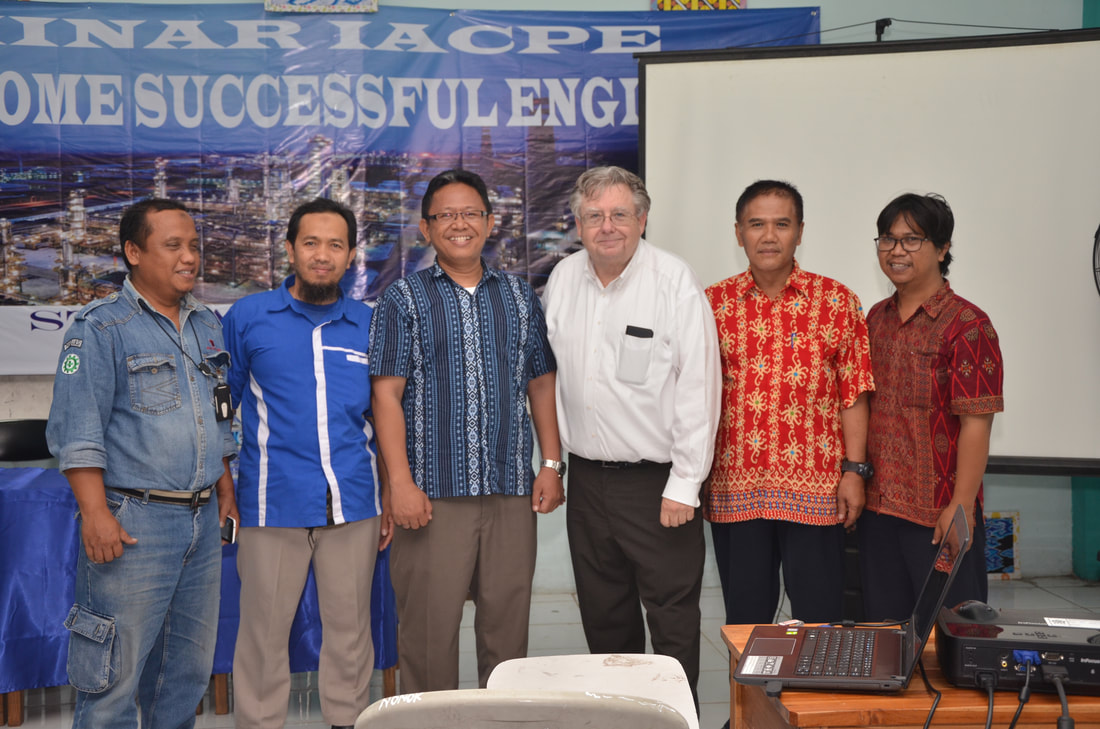
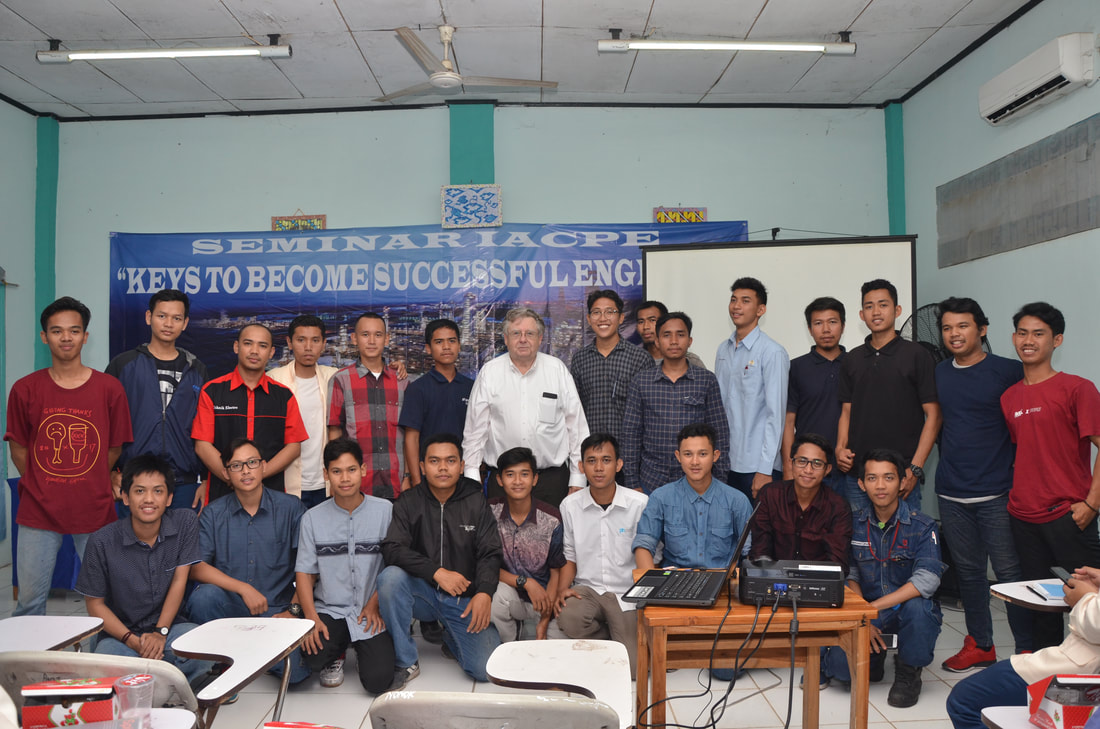
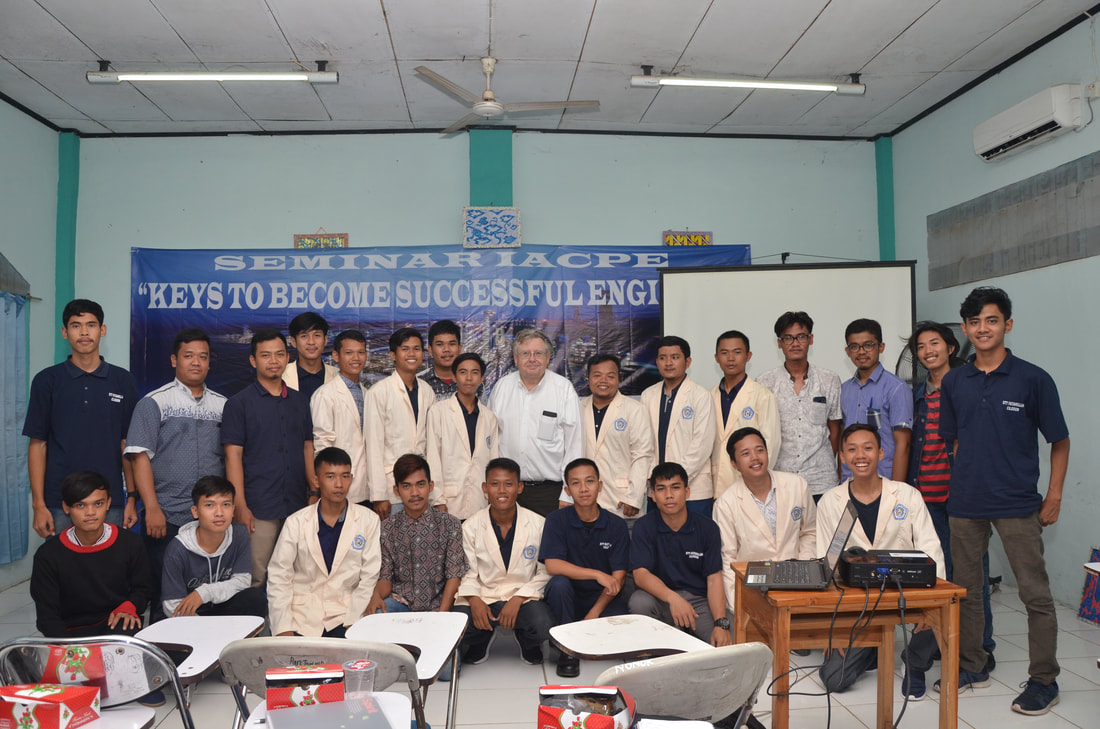
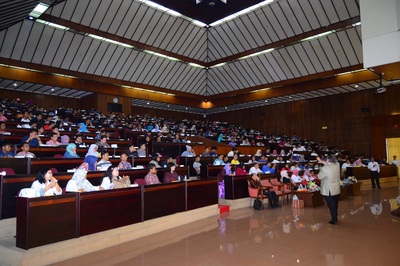
A University Partnership requires the students of a partner university to join IACPE in their third year and complete CPE Level I as they graduate. CPE Level I is intended to be an engineering fundamentals program and some universities use the training modules in their curriculum.
After graduation, the engineer can then easily progress to CPE Levels II and III. We believe students should obtain all certifications for which they qualify — nationally and internationally.
Current Partner Universities
Universitas Wahid Hasyim — Semarang, Indonesia
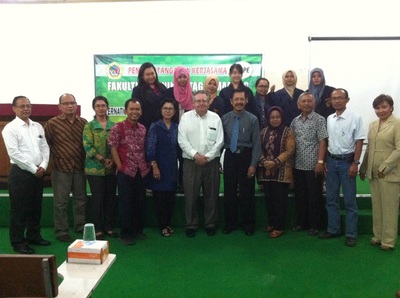
Fakultas Teknik Universitas 17 Agustus 1945 — Surabaya, Indonesia
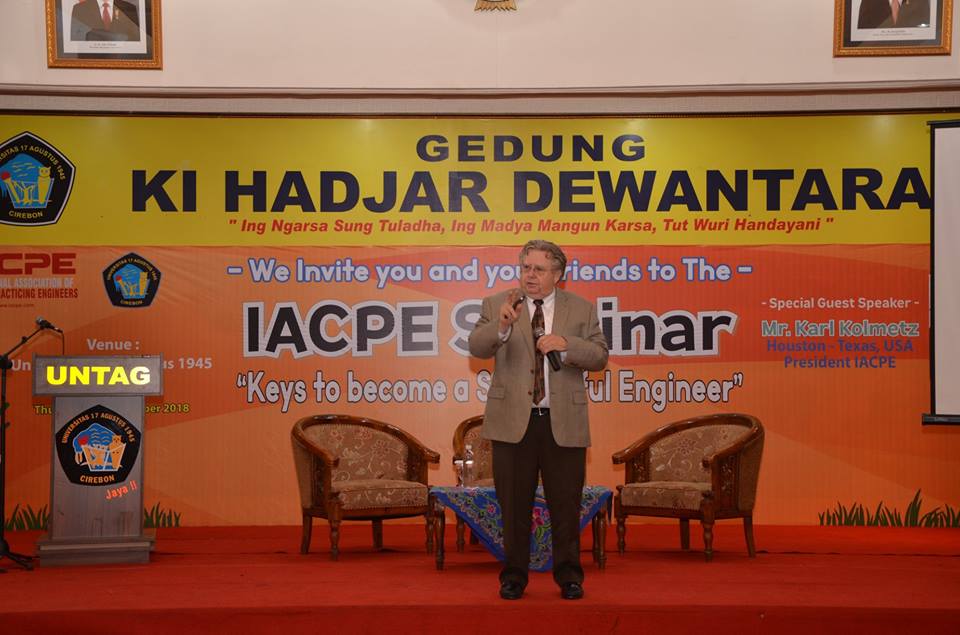
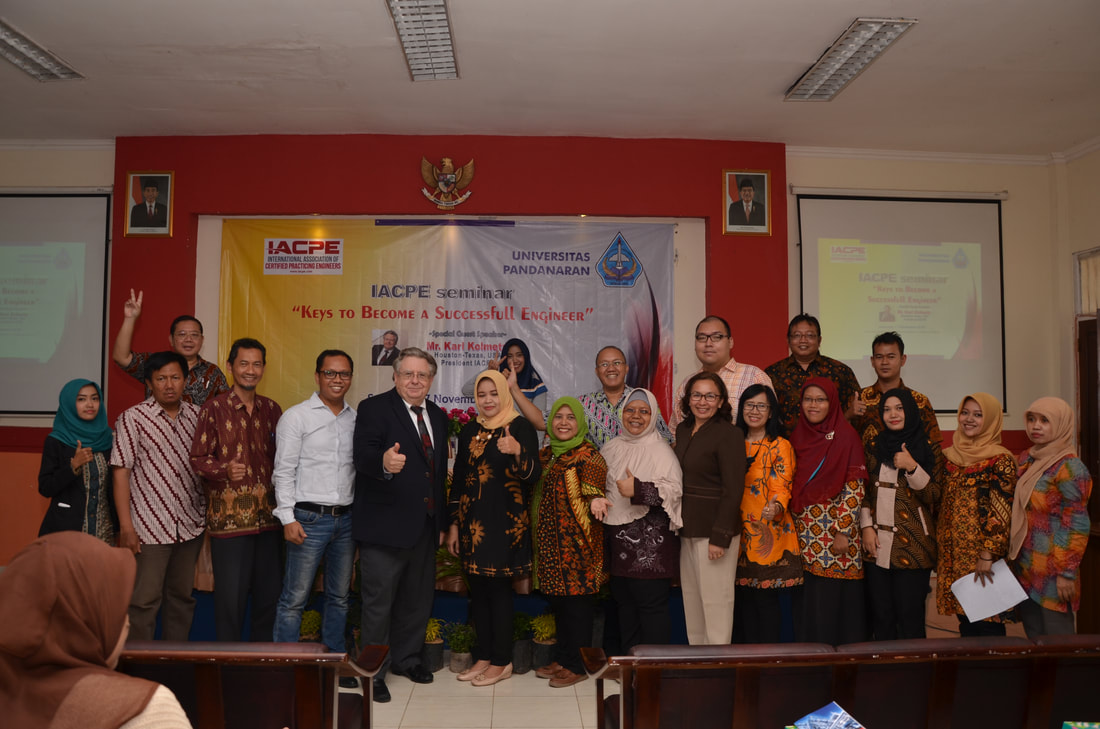
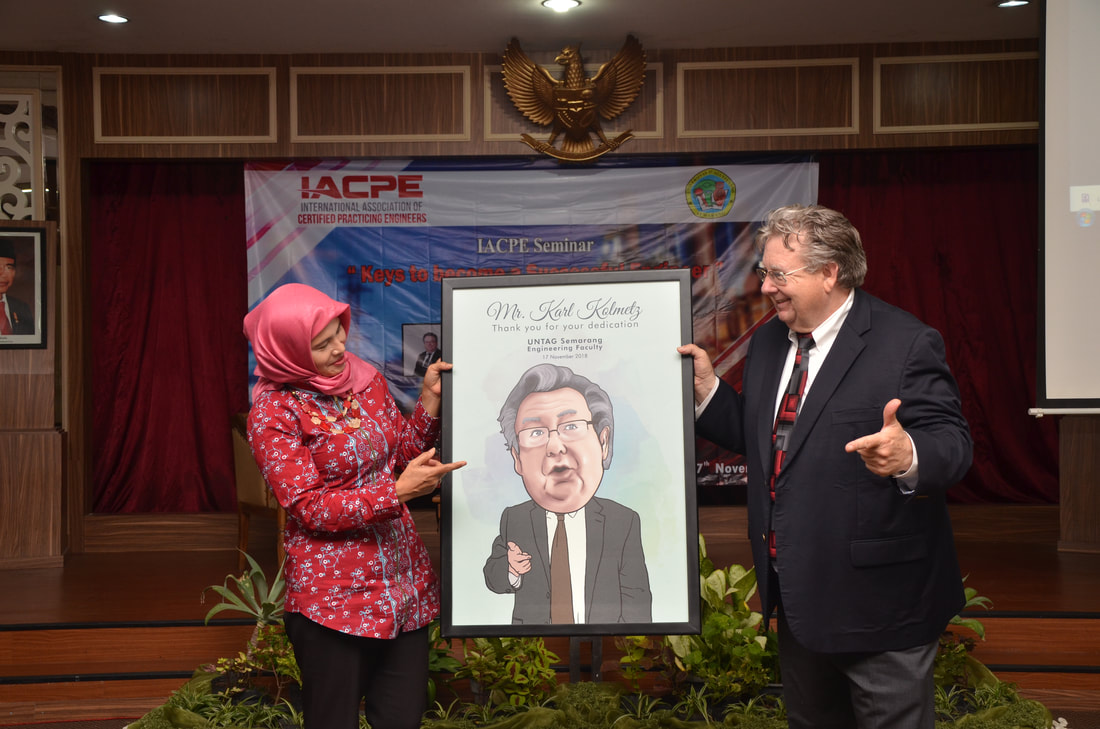
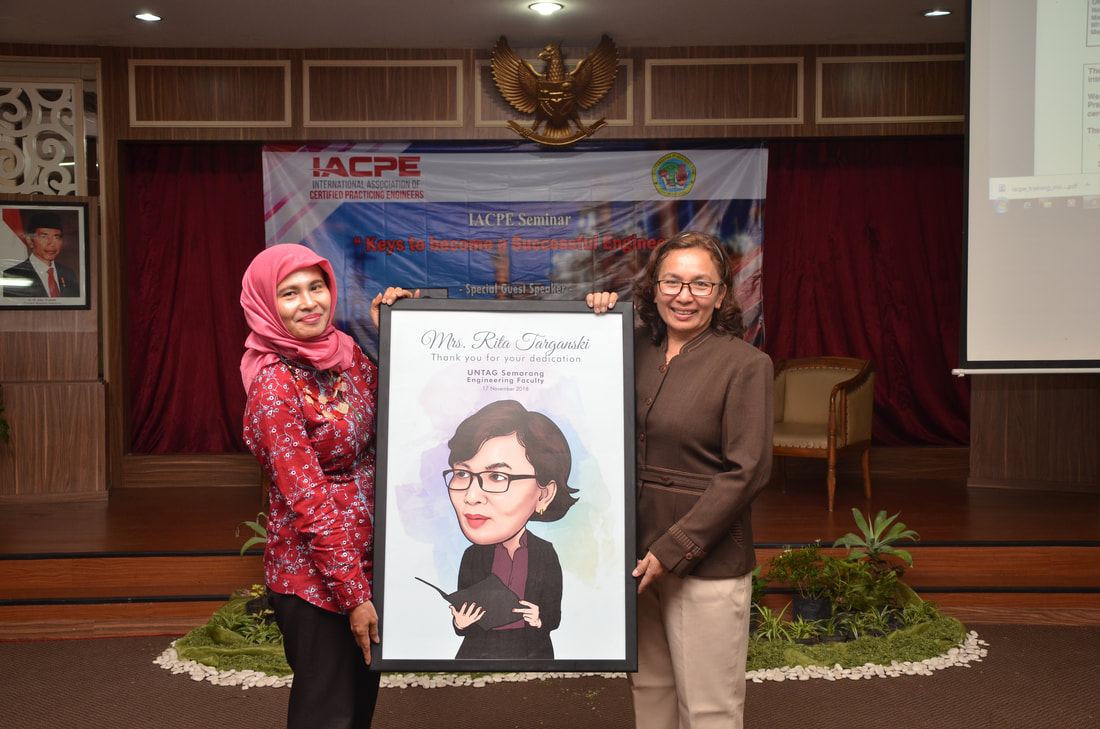
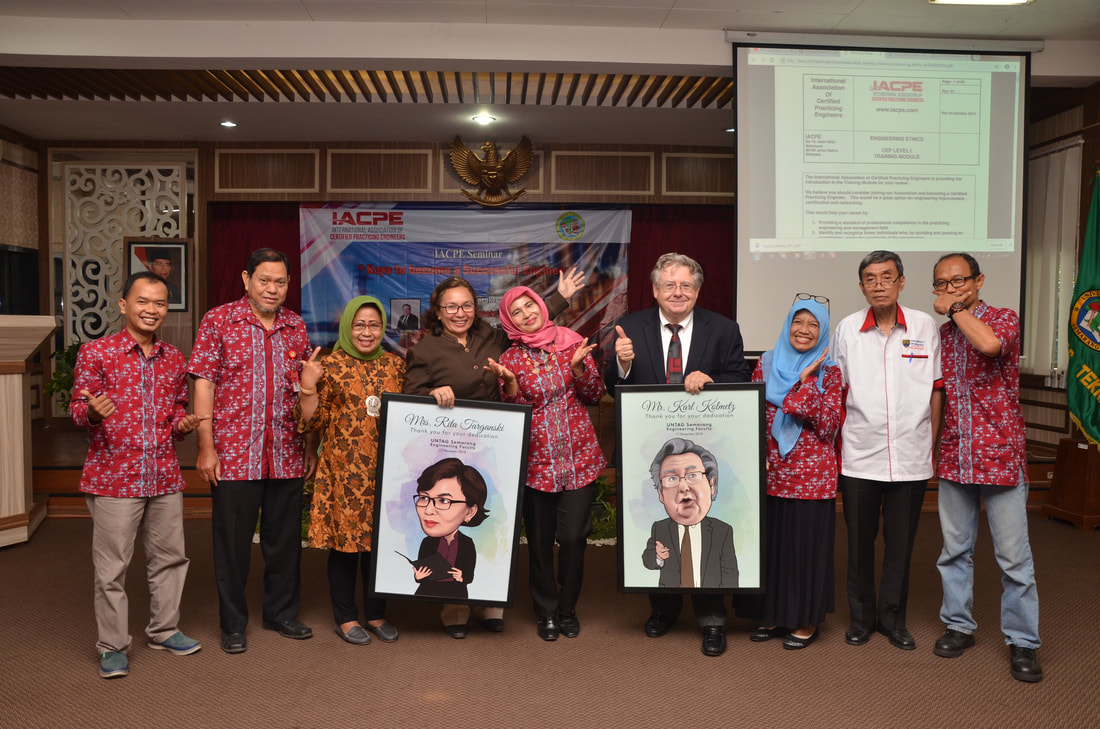
UNTAG Universitas 17 Agustus 1945 — Semarang, Indonesia
Sekolah Tinggi Teknologi Fatahillah — Cilegon, Indonesia
Universitas W.R Supratman — Surabaya, Indonesia
National Institute of Engineering Practice (NIEP) — Thrissur, India
Partner University Logos
📷 wahid-hasyim.jpg
Universitas Wahid Hasyim
Semarang, Indonesia
📷 untag-surabaya.jpg
Fakultas Teknik Universitas 17 Agustus 1945
Surabaya, Indonesia
📷 untag-semarang.jpg
UNTAG Universitas 17 Agustus 1945
Semarang, Indonesia
📷 stt-fatahillah.jpg
Sekolah Tinggi Teknologi Fatahillah
Cilegon, Indonesia
📷 wr-supratman.jpg
Universitas W.R Supratman
Surabaya, Indonesia
📷 niep-india.png
National Institute of Engineering Practice
Thrissur, India
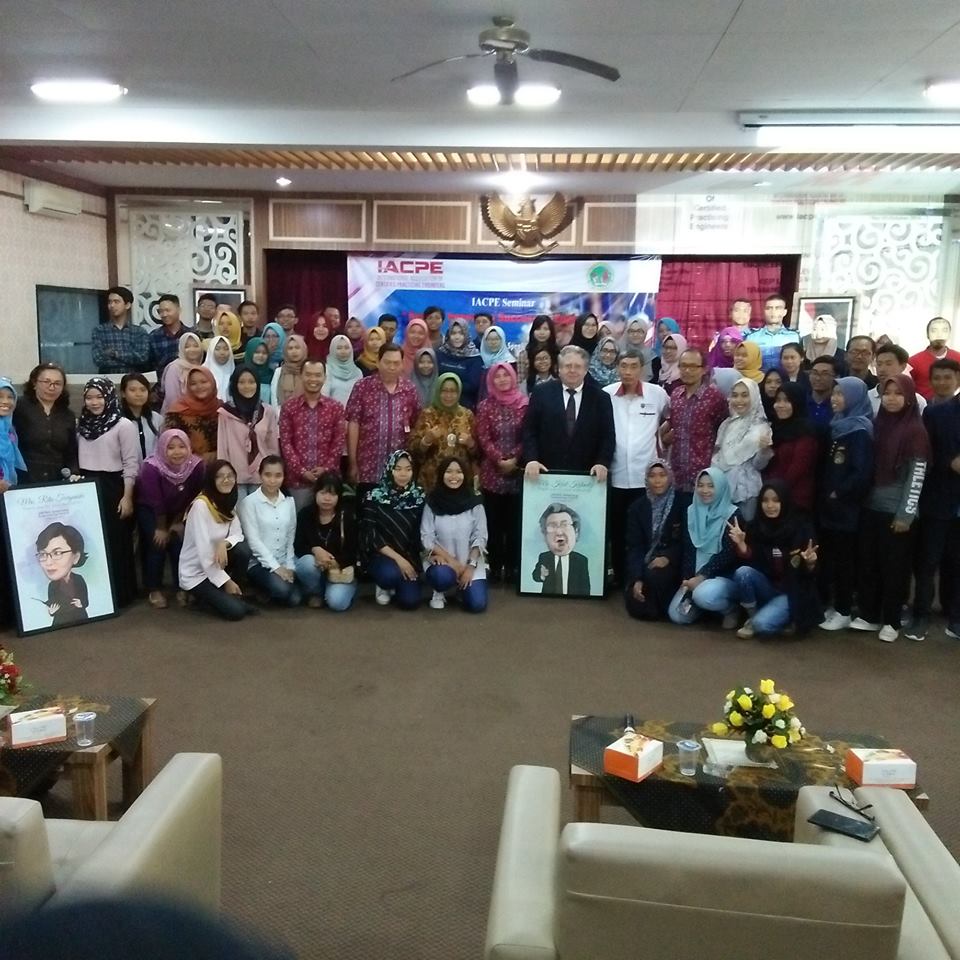
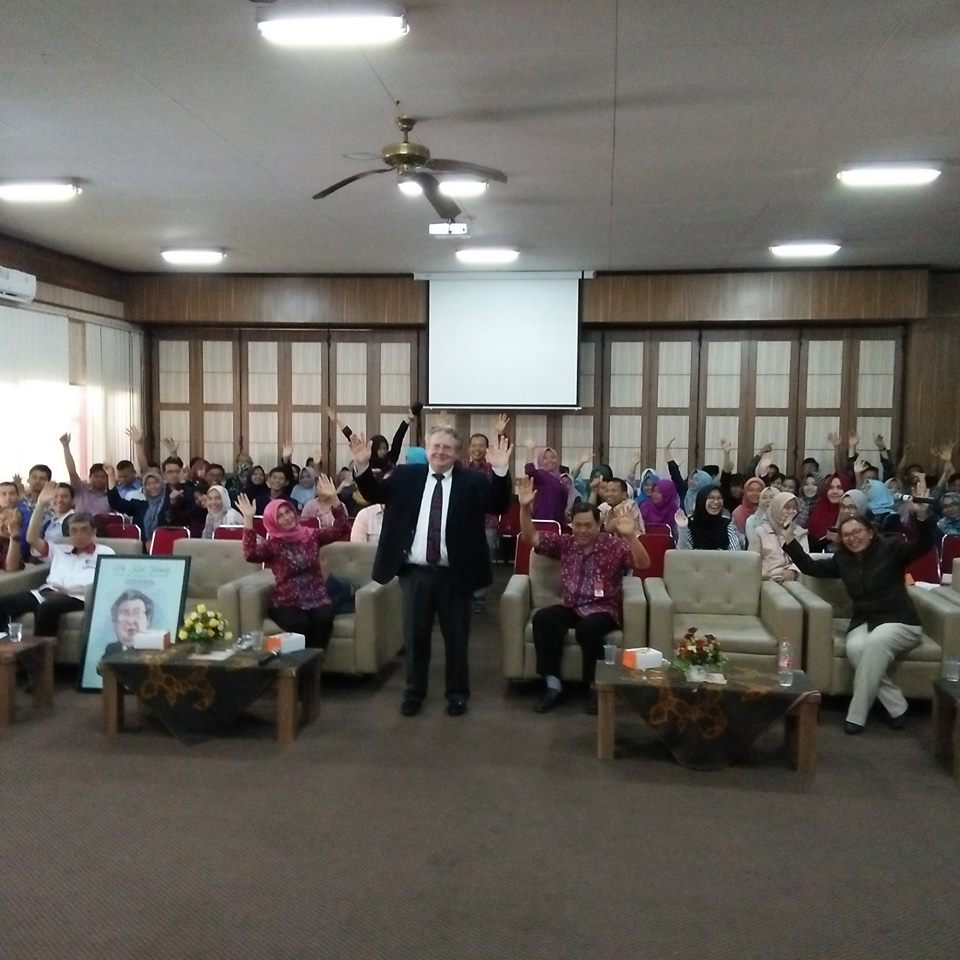
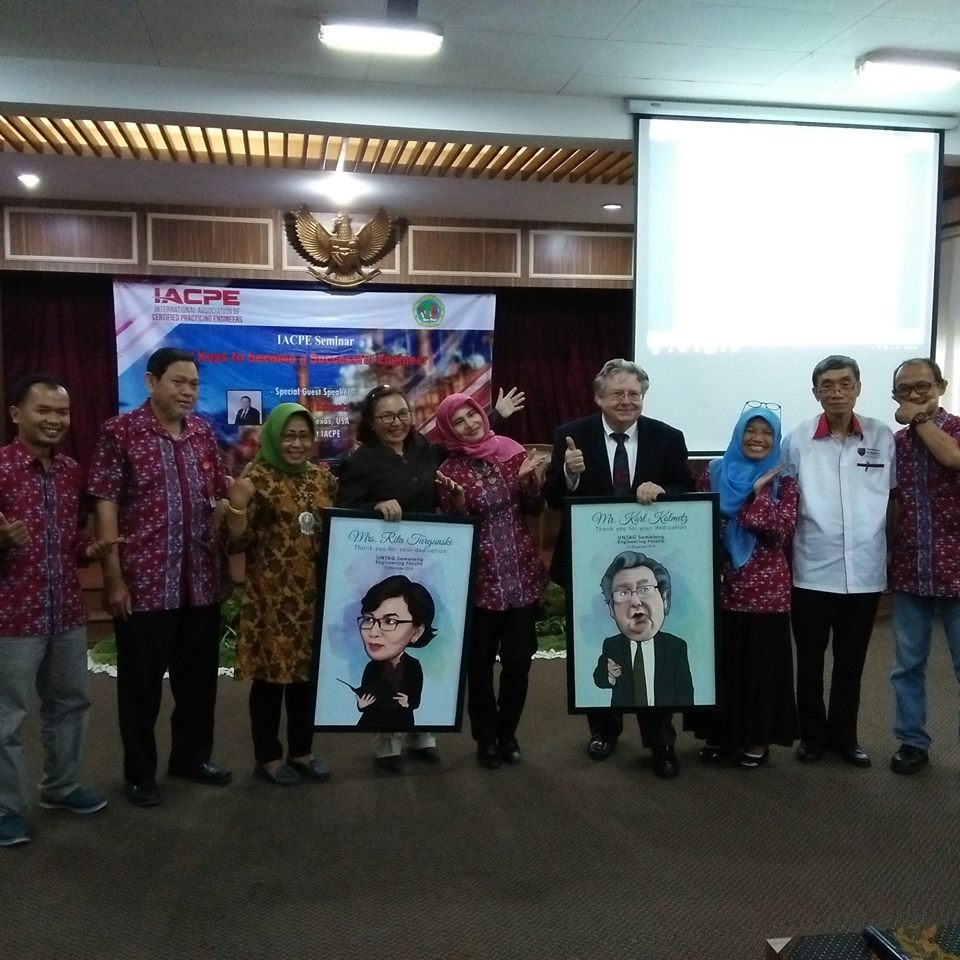
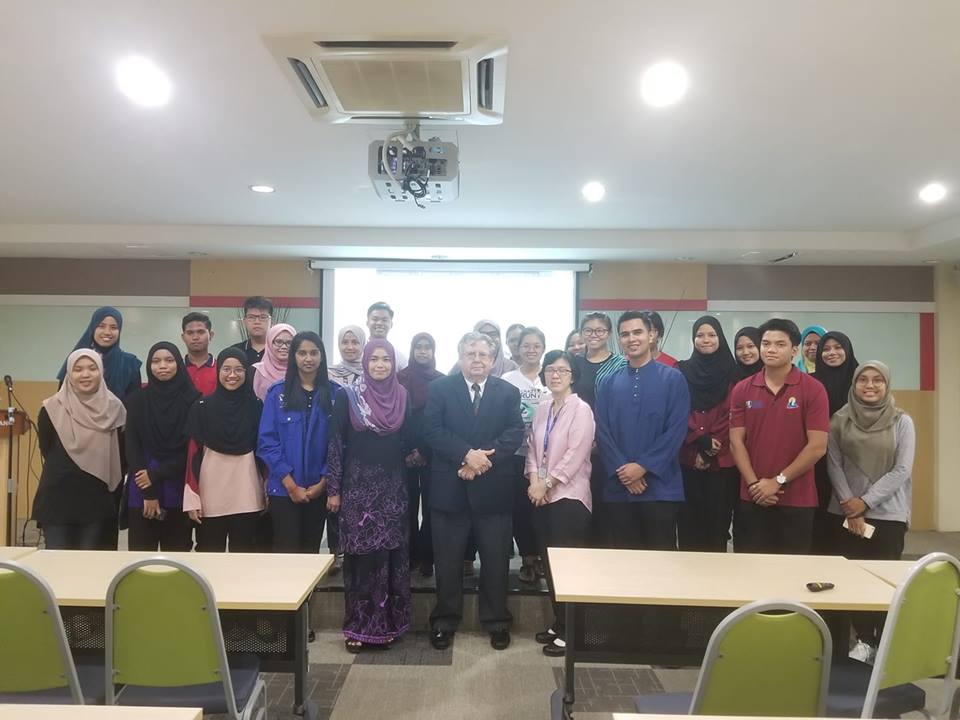
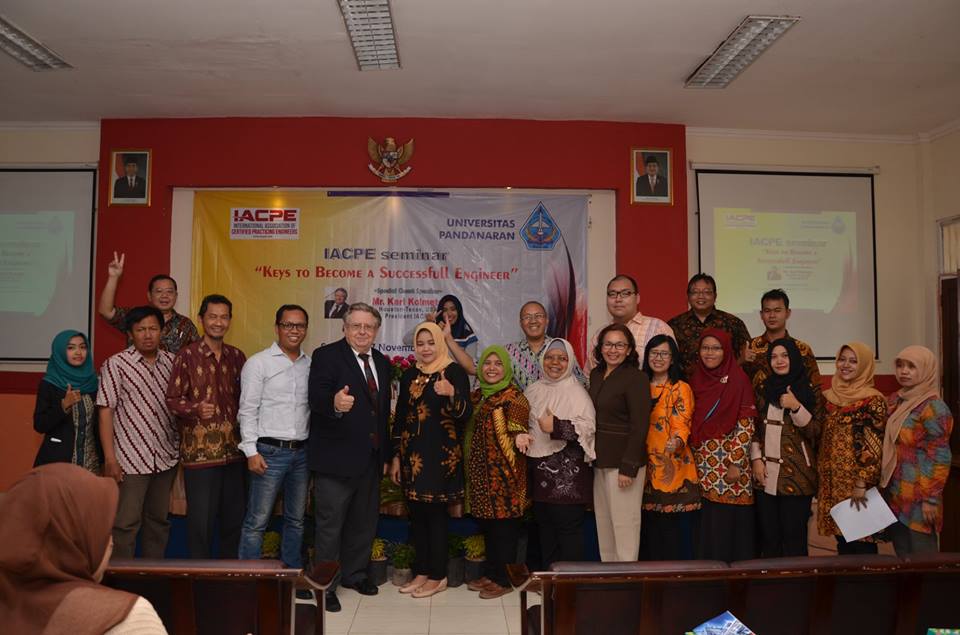
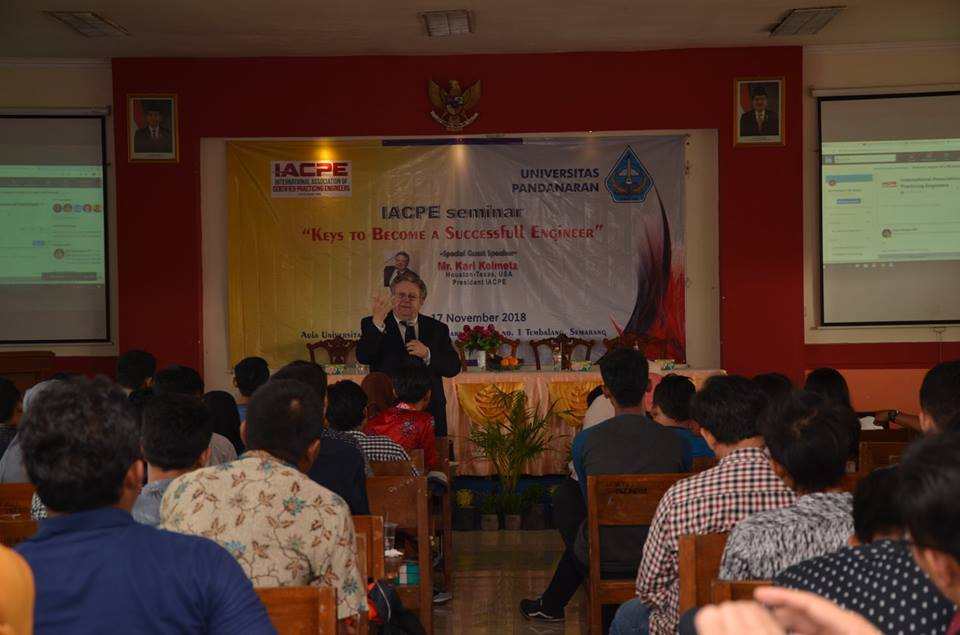
University Visit Photos
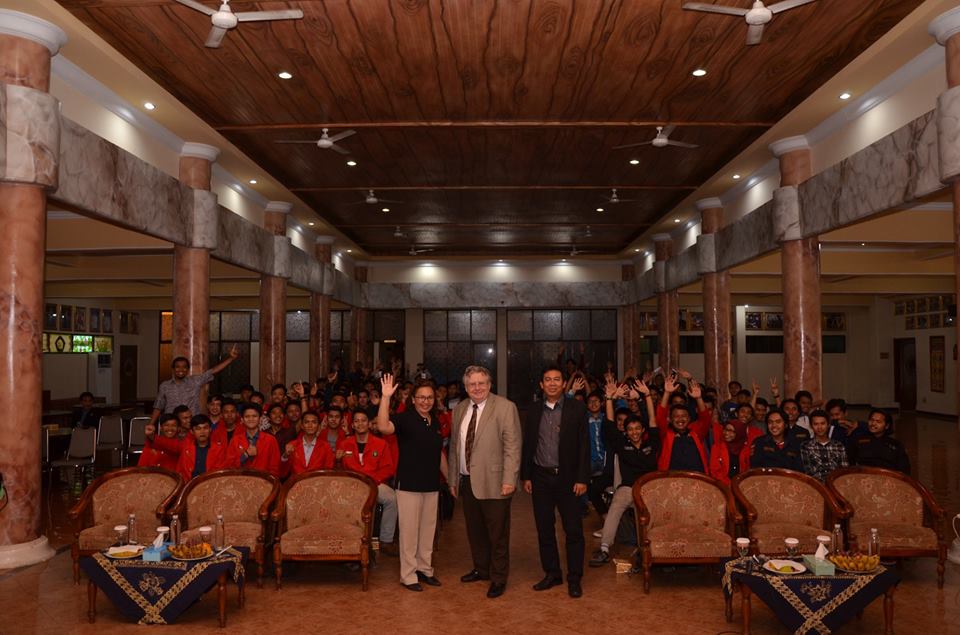
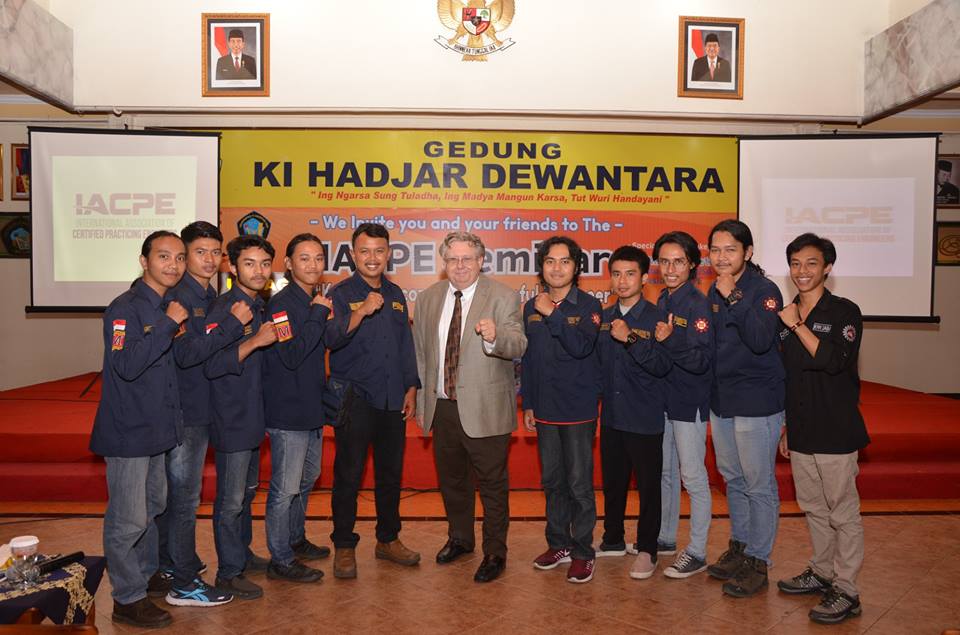
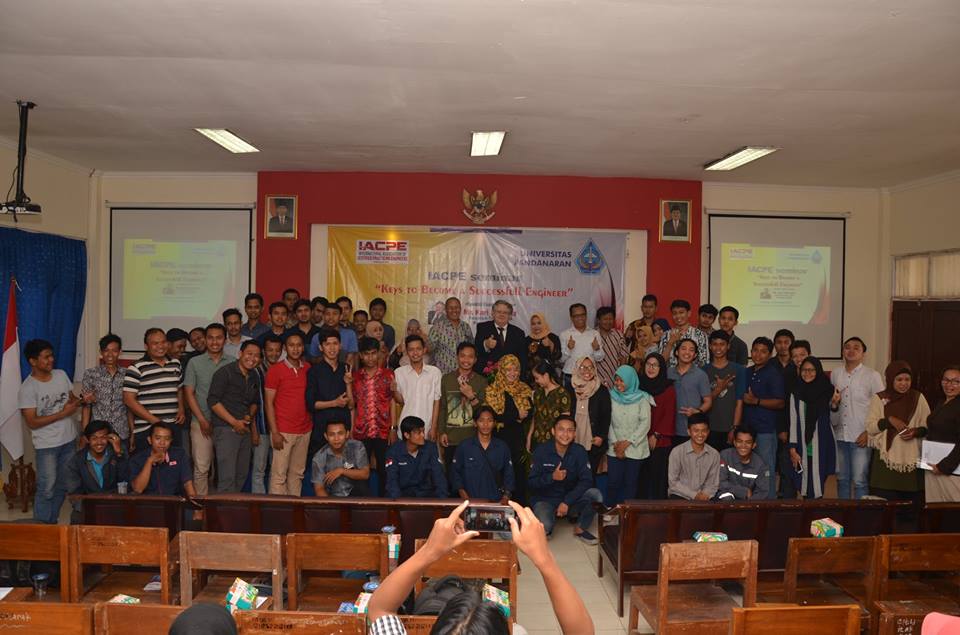
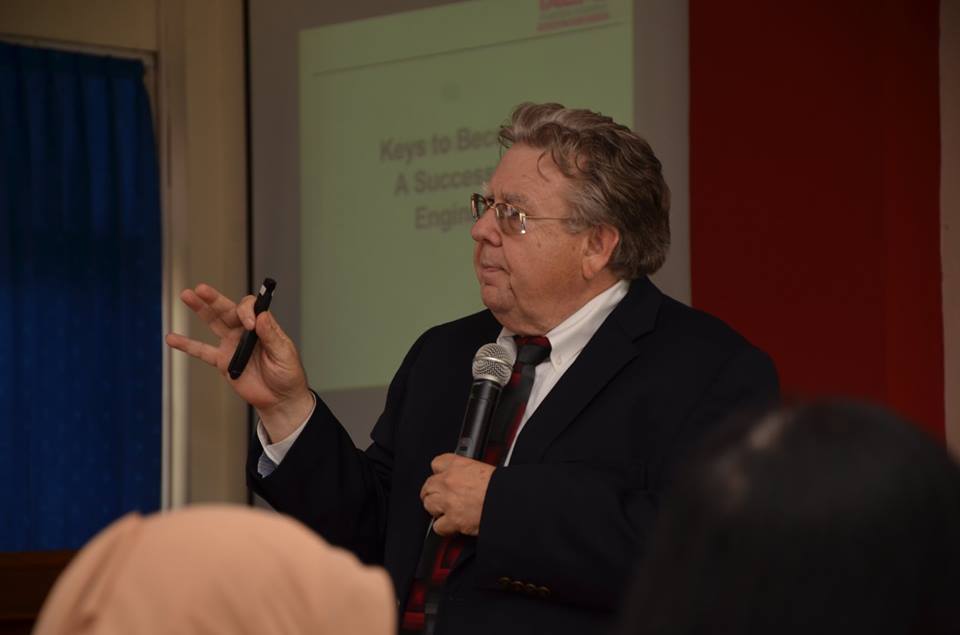
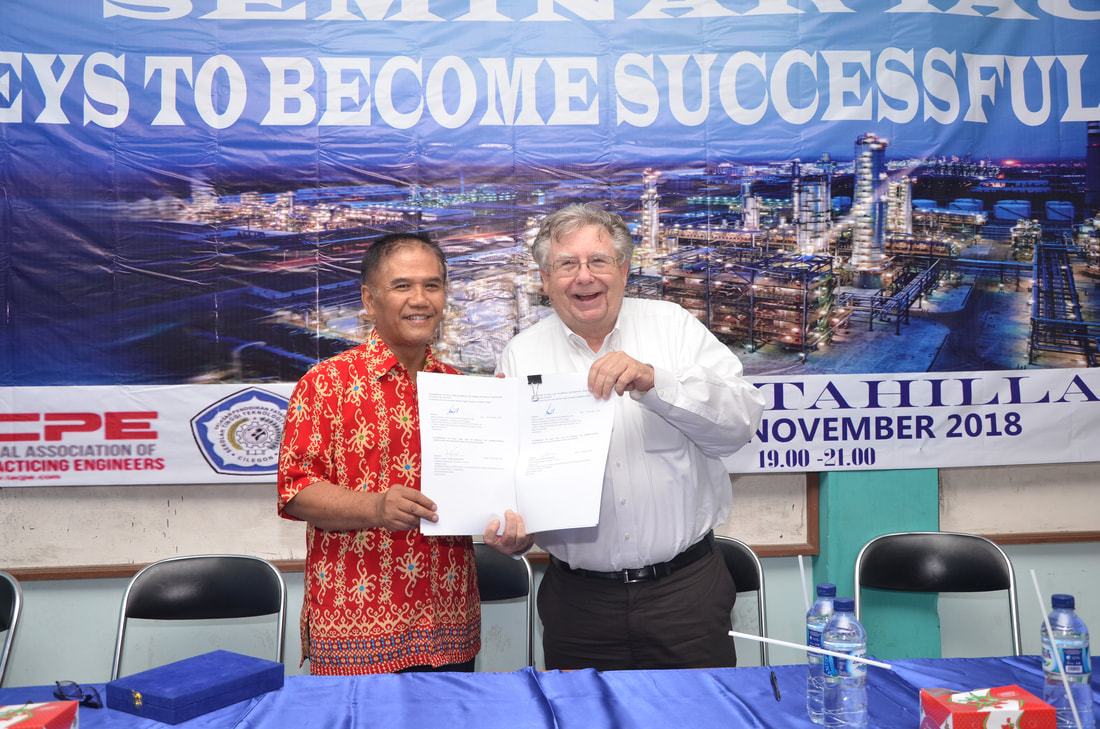
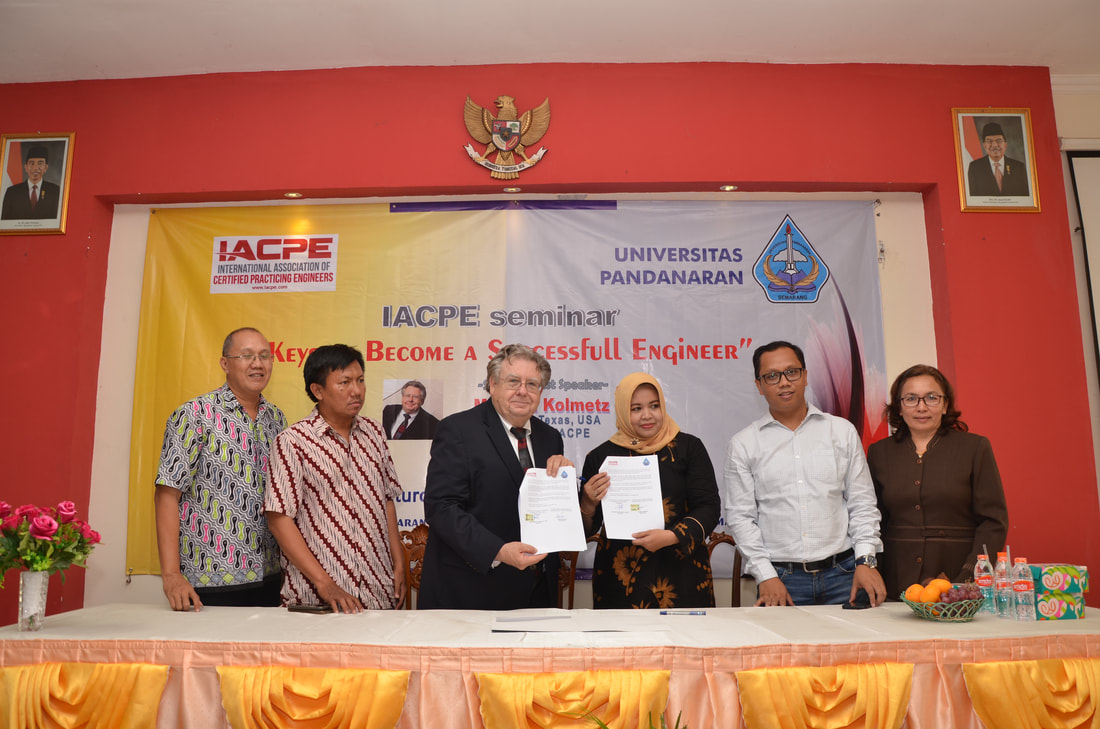
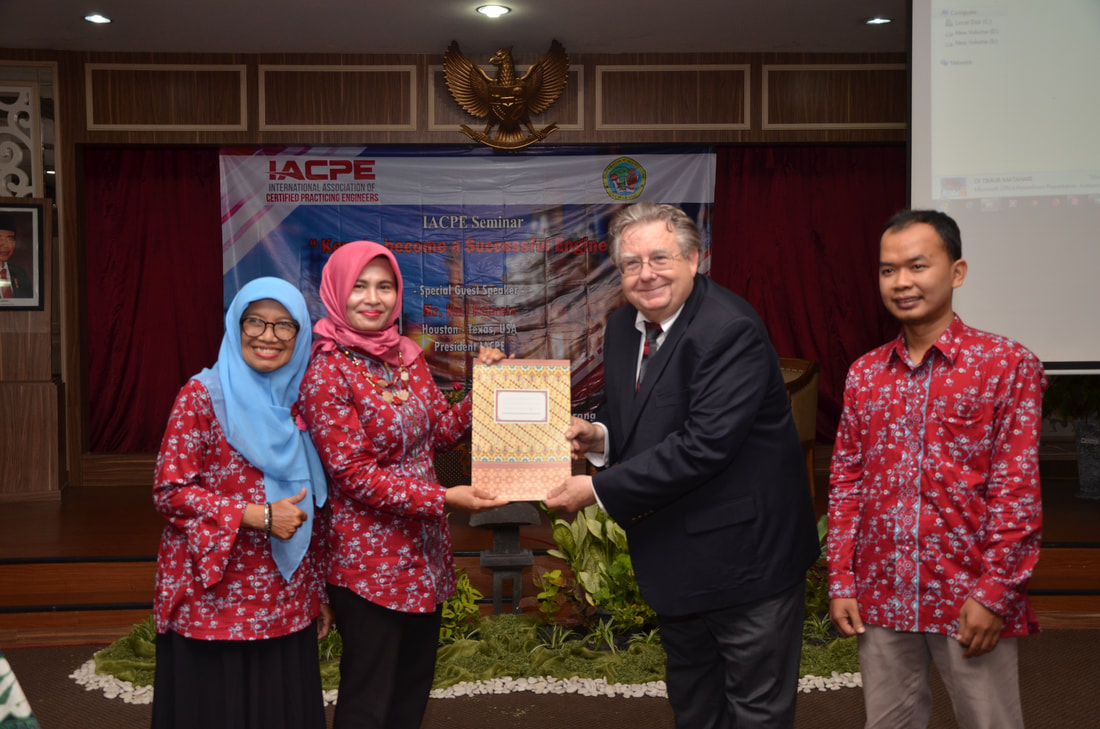
2018 University Visits
📷 visits/visit-801.jpg
📷 visits/visit-802.jpg
📷 visits/visit-803.jpg
📷 visits/visit-804.jpg
📷 visits/visit-805.jpg
📷 visits/visit-806.jpg
📷 visits/visit-807.jpg
📷 visits/visit-808.jpg
📷 visits/visit-809.jpg
📷 visits/visit-810.jpg
📷 visits/visit-811.jpg
📷 visits/visit-812.jpg
📷 visits/visit-813.jpg
📷 visits/visit-814.jpg
📷 visits/visit-815.jpg
📷 visits/visit-816.jpg
📷 visits/visit-817.jpg
📷 visits/visit-818.jpg
📷 visits/visit-819.jpg
📷 visits/visit-820.jpg
📷 visits/visit-821.jpg
📷 visits/visit-822.jpg
📷 visits/visit-823.jpg
📷 visits/visit-824.jpg
📷 visits/visit-825.jpg
📷 visits/visit-826.jpg
📷 visits/visit-827.jpg
📷 visits/visit-828.jpg
📷 visits/visit-829.jpg
📷 visits/visit-830.jpg
📷 visits/visit-831.jpg
📷 visits/visit-832.jpg
📷 visits/visit-833.jpg
📷 visits/visit-834.jpg
1 / 3
2016 University Visits
📷 visits/visit-601.jpg
📷 visits/visit-602.jpg
📷 visits/visit-603.jpg
📷 visits/visit-604.jpg
📷 visits/visit-605.jpg
📷 visits/visit-606.jpg
📷 visits/visit-607.jpg
📷 visits/visit-608.jpg
📷 visits/visit-609.jpg
📷 visits/visit-610.jpg
📷 visits/visit-611.jpg
📷 visits/visit-612.jpg
📷 visits/visit-613.jpg
📷 visits/visit-614.jpg
📷 visits/visit-615.jpg
📷 visits/visit-616.jpg
1 / 3
About IACPE
Information for Employers
Curriculum
Find out more about IACPE's curriculum for your future engineers. View Curriculum Overview →
IACPE has designed a curriculum that is transparent and clearly rooted in engineering fundamentals in order to validate for the employer the academic capabilities of the CPE holder. IACPE puts front and center an emphasis on ethics and safety in every course.
You can view examples of course material, see example quiz and test questions, along with an example of our required design project for CPE Level II graduates.
Some of the material in this program is likely to be more difficult than your employees saw during their undergraduate studies. This program will be too challenging for some, but for those that demonstrate a command over this material they will undoubtedly be valuable assets to your team.
Contact Us
For more information regarding the courses offered, CPE certification, and/or IACPE please email:
The International Association of Certified Practicing Engineers will annually recognize the outstanding accomplishments of engineering education and engineering technology through the "Distinguished Practicing Engineer" awards program.
By their commitment to their profession, desire to further the Association's Mission, and participation in civic and community affairs, IACPE award winners exemplify the best in engineering education and engineering technology.
This award will salute leaders in engineering for their dedication to their field and their commitment to advancing the human condition through great engineering achievement and/or through innovation in engineering education and technology.
We will have an Academic Division, Technology Division, Young Engineer and Student Divisions.
Nomination Process
In the July Engineering Practice Magazine, the top three from each division will be selected. In the October issue, the annual group of awardees will be recognized.
Please download the award forms and nominate who you believe are deserving.
Please include your full name and mailing address on all submissions.
What to Include
Your full legal name and mailing address
The program or certification you are interested in
Your educational background
Years of professional engineering experience
For CPE Acceptance Documents
All documents — transcripts, letters of recommendation, professional history — should be emailed to info@iacpe.com. Visit our FAQs page for more details.
About IACPE
Frequently Asked Questions
Q: How can I prove my three (3) years of formal training in the required fields of study?
A: Submit a copy of your current school enrollment and/or certificate/diploma showing completion to info@iacpe.com.
Q: Why must I have three (3) years of formal training in the required fields of study?
A: This requirement is mandatory because the challenging academic problems in every module increase with each level. Without prior rigorous academic study in STEM subjects, completion will be impossible. This designation is to prove you have achieved a standard of professional competence in the engineering fields.
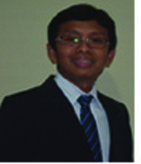
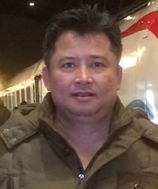
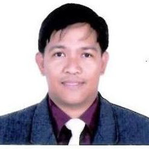
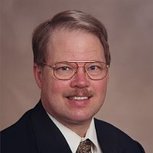
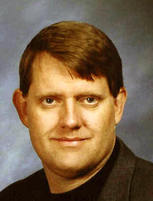
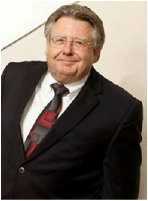
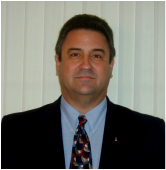
Supriyanto Lee Pheng Erebert Caracas Wiroon Tanthapanichakoon Randy Conley PE PMP Stephen J. Wallace Timothy M. Zygula Dr.Ir. Muaffaq A.Jani, M.Eng Rini Oktavera S.T, M.MT Ery Fatarina Purwaningtyas S.T, M.T Ir. Drs. H. Muradi Suwarg.ina MT Ir. Dr. Dominic Foo Dr. Sivakumar Kumaresan
Certified Practicing Project Manager II
Rahul Gupta Jagan
Certified Crude Oil Analyst
William B Lotz
Certified Crude Oil Analyst II
Emril Shafeeq Jamil
Industrial Alliance Members
Rita Targanski Imam Nugroho Masriel Djamaloes Pinakin Gopalbhai Kuo Wei Chiao LL Choo Ang Mi Kah
CPE EIT Roster
Download the full CPE Engineer In Training roster:
Industry Alliance Members are members of the Industry that support the mission and vision of IACPE. They volunteer to assist where possible by attending networking meetings, promoting the association to their peers, reviewing training modules, writing articles in Engineering Practice Magazine and speaking to young engineers at networking meetings.
Vision
To become a globally recognized association for certification of practicing engineers.
Mission
Based on engineering first principles and practical real world applications, our curriculum has been vetted by academic and industry professionals. Through rigorous study and examination, candidates are able to prove their knowledge and experience. This body of certified professional engineers will become a network of industry professionals leading continuous improvement and education with improved ethics.
Become an Industry Alliance Member
If you would like to join the Industry Alliance, please contact us with your name, email and a brief message.
Engineering Practice is the official magazine of IACPE, published quarterly. It provides news, updates, events, and in-depth engineering articles from global experts.
With our coverage of the Chemical Processing Industry, international exposure and great readership, if you are an author or advertiser you should consider Engineering Practice Magazine for publications.
Contact Us →
2026
July 2026
Steam Assisted Flare Stack Capital Costing — Jayanthi Vijay Sarathy
Asset Integrity Management in Transfer and Stockpiling Sector — Dr. Marcio Wagner da Silva
Benchmarking Waste Water Treatment Systems — Karl Kolmetz , Cheah Phaik Sim
How to design and optimize Bubble Cap Trays — Dr.-Ing. Volker Engel
A Case Study in Fuel Gas Savings — Shahzeb Hassan, Adnan Masood, Arsalan Saleem
Relief Valve Sizing for Two Phase Flow — Jayanthi Vijay Sarathy
Naphtha Molecular Management as Refiners Alternative to Maximize Profitability and Avoid Exposure to the “Red Ocean” of the Global Gasoline Market — Dr. Marcio Wagner da Silva
Looking at Current Society from a 70-year-Old Perspective — Karl Kolmetz
How to... DIRECT CONTACT TRAYS - How to design all kinds of Direct Contact Trays — Dr.-Ing. Volker Engel
How to design Chimney Trays — Dr.-Ing. Volker Engel
Empirical Approach to Hydrate Formation in Natural Gas Pipelines — Jayanthi Vijay Sarathy
Energy Transition in the Downstream Industry Pass Through Renewable Hydrogen? — Dr. Marcio Wagner da Silva
December 5, 2022 Was an Important Day in Science Fusion Nuclear Power Finally! — Ron Cormier
Potential of Renewable Green Hydrogen Production in Shores of Countries — Hamid Reza Seyed Jafari, Dr. Ahmad Shariati, Seyed Mohammad Reza Seyed Jafari
Change Phase Non-renewable Industry to a Bio & Renewable Industry —Hamid Reza Seyed Jafari, Mohammad Ali Tork, Dr. Ahmad Shariati, Dr. Seyed Morteza Seyed Jafari, Seyed Mohammad Reza Seyed Jafari
Effective Leadership Can Develop a Learning Culture — Dr. Tina Persson
Zero Sulfur in Steam Cracker Plants — Joseph C. Gentry
Importance of Thermodynamics on Process Simulation Modeling —Timothy M. Zygula, Eric Roy, Pamela C. Dautenhahn, Ph.D., P.E.
Gas Condensate Separation Stages — Jayanthi Vijay Sarathy
Guidelines for Alarm Identification Methods & Training Content — Praveen Nagenderan C
Design Guidelines for Chemical Treatment Distillation Columns — Karl Kolmetz
Adding Value to High Sulfur Crude Oil Reserves — Dr. Marcio Wagner da Silva
Benchmarking Waste Water Treatment Systems 📄 Download PDF
Deaerator Design Aspects and Troubleshooting 📄 Download PDF
Flash Steam and Steam Condensates in Return Lines 📄 Download PDF
Browse the full magazine archive →
Magazine
Editorials
Personal reflections and opinion pieces from IACPE contributors on career, family, and life — alongside the technical articles published in Engineering Practice.
Approaching Seventy – What is Success
Karl Kolmetz reflects on his family history, from his great-grandmother in rural Florida to his own decades of night school and refinery work, and lays out a definition of success built on four pillars: health, friendships, family, and giving back.
Drawing on proverbs from around the world, Karl Kolmetz traces his family from the hardship of the Great Depression and WW2 through his own working years, and asks what each generation owes the next.
Karl Kolmetz breaks happiness down into genetics, circumstances, and habits, then outlines three stages of maturity — from self-interest, to family sharing, to sacrifice for the greater good.
Both in life and the workplace, education is a continuous process. For those who meet the CPE requirements and have the desire to improve their academic studies, professional abilities, and networking opportunities — the CPE designation is the perfect fit.
CPE Requirements
Eligibility requirements including education, experience, and recommendation letters.
View Requirements →
CPE Levels I, II & III
Detailed breakdown of what is expected at each level and how to advance.
View Levels →
Course Modules
Overview of all modules covered across CPE Levels I, II, and III.
View Modules →
Training Videos
Video resources for CPE Level I candidates plus free introductory videos.
View Videos →
Cost & Schedule
Competitive in-country pricing. Contact us for current rates.
Get Pricing →
Become Certified
CPE Requirements
Required for Acceptance
Three (3) years of formal training in Science, Technology, Engineering, or Mathematics.
One (1) letter of recommendation from an academic adviser or professor.
Two (2) letters of recommendation from professional peers. At least one (1) must be from a direct supervisor.
For tracking purposes please include your full name and address on all items submitted for review. After acceptance and payment you will be given a a unique member identification number that will be use for all future correspondence.
All students accepted into CPE Level I automatically become CPE EIT (Engineer In Training) students and are authorized to use the CPE EIT marks. The use of these marks will show those in the industry your dedication to continuous personal and professional development.
Become Certified
CPE Levels I, II & III
CPE Level I
Certified Practicing Engineer — Level I (~40 hrs)
Study six (6) Fundamental Engineering Training Modules
Review 100-question sample test on each of the six (6) Fundamental Engineering Training Modules
Pass 25-question final exam (25 questions) from each of the six (6) Fundamental Engineering Training Modules
Upon completion, name and photo added to IACPE CPE Level I Directory
CPE Level II
Certified Practicing Engineer — Level II (~60 hrs)
Study three (3) required + four (4) of the other listed Fundamental Engineering Training Modules
Review 100-question sample test on each of the six (6) chosen Fundamental Engineering Training Modules
Pass 25-question from each of the seven (7) chosen Fundamental Engineering Training Modules
Complete one (1) unique design assignment to certify Fundamental Engineering Training Modules understanding
Upon completion, name and photo added to IACPE CPE Level II Directory
CPE Level III
Certified Practicing Engineer — Level III (~40 hrs)
Study three (3) required + four (4) of the other listed Fundamental Engineering Training Modules
Review 100-question sample test on each of the seven (7) chosen Fundamental Engineering Training Modules
Pass 25-question from each of the six (6) chosen Fundamental Engineering Training Modules
Attend one (1) regional seminar or webinar *Cost of the seminar is included in the CPE Level III cost. Transportation and accommodations are not included.
Pass a one-hour oral examination by IACPE board of academic and industry advisors
Upon completion, name and photo added to IACPE CPE Level III Directory
IACPE has developed course modules that document practical methods to apply fundamental engineering theories in the field.
If a professional would study and understand the curriculum they would bring value to any employer.
Any professional with this certificate and training would increase their value in the job market.
If your company has no standard formalized training for new professionals, this certificate and program would be a great benefit to you and your organization.
Course modules are based on the Kolmetz Handbook of Process Equipment Design
CPE Level I Course Modules
The Group of Course Modules for the Chemical Engineering CPE Level I Certificate would include:
Fundamentals of Solid and Fluid Mechanics
Fundamentals of Thermodynamics Heat and Mass Transfer
Fundamentals of Engineering Materials and Their Strength
Fundamentals of Physics and Electromagnetism
Fundamentals of Inherently Safer Equipment Design
Professional Engineering Ethics Part 1
CPE Level II & III Course Modules
The three (3) required Curriculum Modules for CPE Level Il include:
Piping Fluid Flow Hydraulics Line Sizing and Material Selection
Project Management
Statistical Process Control
The three (3) required Curriculum Modules for CPE Level IIl include:
Production Control Engineering
Professional Engineering Ethics Part 2
Professional Reports and Presentations
Other Curriculum Module choices for CPE Level II and III include:
Supply Chain Management
Human Factors and Ergonomics Engineering
Facility Management
Waste Water Treatment Theory and Application
Solid Waste Management Theory and Application
Water Supply and Treatment Theory and Application
Environmental Impact Assessment and Mitigation Theory and Application
Air Pollution Management Theory and Application
Tribology Theory and Application
HVAC Theory and Application
Piping Fluid Flow Measurement Sizing and Material Selection
General Instrumentation Sizing and Material Selection
Instrumentation Control Valve Sizing and Material Selection
Pump Hydraulics Line Sizing and Selection
Heat Exchanger Sizing and Selection
Compressor Sizing and Selection
Distillation Column Sizing and Selection
Corrosion Theory and Control
Separator Vessels Sizing and Selection
Boilers Sizing and Selection
Furnace Sizing and Selection
Flare System Sizing and Selection
Storage Tank Systems Sizing and Selection
Reactor Systems Sizing and Selection
Cooling Tower Systems Sizing and Selection
Gas Drying Systems Sizing and Selection
Gas Sweetening Systems Sizing and Selection
Refrigeration Systems Sizing and Selection
Geotechnical Theory and Application
Hydrology Theory and Application
Piping Safety Relief Valve Sizing and Material Selection
IACPE has developed training videos to assist members in understanding CPE Level I Training Modules, Certification Programs, and to meet the requirements of continuing education. The training modules and videos have been thoughtfully made to ensure a clear and proper understanding of the subject matter. Position yourself for your career and professional success.
Three Groups of Videos
Free to the Public — Introductions to IACPE and Certification Programs, as well as introductions to technical topics. View Free Videos →
Member Videos — Part of our program. Supplements to our training modules and will be available to our members.
Continuing Education Videos — Latest technical topics and refreshers of fundamentals to meet continuing education requirements.
This program requires specific combinations of knowledge and experience, as well as successful demonstration of Crude Oil Analyst and Trading competency through examination. Holders must continue to prove competency with two hours of continuing education per year.
Requirements
Three (3) years training, education or experience in crude oil products and/or business administration
Three (3) letters of recommendation from associates who have knowledge of your study/work history and ethics
Program Modules
Part 1
Ethics 1 & 2
Introduction to Refining / Refining Process Flow
Part 2
Crude Oil Properties
Refined Products Properties and Blending
Refining Economics
Part 3
Introduction to Linear Programming
Storage Valuation and Optimization
Trading Best Practices
What's Included in the Cost
Eight (8) Curriculum Module Documents
Eight (8) Curriculum Module Study Questions
Eight (8) Curriculum Module Tests
One-hour oral exam
*IACPE provides competitive in-country pricing. Contact us for your country's rate.
This program requires specific combinations of knowledge and experience, as well as successful demonstration of management competency through examination. Holders must prove competency with two hours of continuing education per year.
Requirements
Three (3) years training, education or experience in business administration
Three (3) letters of recommendation from associates who have knowledge of your study/work history and ethics
Program Modules
Part 1
Engineering Ethics
Introduction to Business Management
Part 2
Introduction to Project Management
Introduction to Refining
Introduction to Ethylene
Part 3
Introduction to Petrochemicals
Introduction to Chemical Production Economics
Inherently Safer Design
What's Included in the Cost
Eight (8) Curriculum Module Documents
Eight (8) Curriculum Module Study Questions
Eight (8) Curriculum Module Tests
One-hour oral exam
*IACPE provides competitive in-country pricing. Contact us for your country's rate.
Programs
CCSS – Certified Construction Safety Specialist
This program requires specific combinations of knowledge and experience, as well as successful demonstration of safety competency through examination. Holders must prove competency with two hours of continuing education per year.
Requirements
Three (3) years’ experience in construction safety management with working experience in handling projects
Three (3) letters of recommendation from associates who have knowledge of your study/work history and ethics
Program Modules
Part 1
Ethics 1 & 2 – Engineering Ethics and Acceptable Risk
Introduction to Construction Safety and Safety Leadership (Construction Safety Management; Safety Supervision and Leadership)
Part 2
Risk Management: Assessment, Reduction and Liability (Emergency Action Plans; Fire Prevention Plans)
Construction Hazards Analysis / Job Hazard Analysis (Hazard Identification; Work Zone Traffic Safety; Conducting a Job Hazard Analysis)
Safety Training, Orientation, Inspection and Audits
Part 3
Incident Investigation
Industrial Hygiene: Health Hazards in Construction
Safe Work Practices (Fall Protection; Confined Space; Hot Work; Excavation, Trenching and Shoring; Electrical and Power Line Safety; Scaffolding Safety; Crane Safety; Lock Out / Tag Out; Blood Borne Pathogens; Personal Protective Equipment)
What's Included in the Cost
Eight (8) Curriculum Module Documents
Eight (8) Curriculum Module Study Questions
Eight (8) Curriculum Module Tests
One-hour oral exam
*IACPE provides competitive in-country pricing. Contact us for your country's rate.
This program requires specific combinations of knowledge and experience, as well as successful demonstration of commissioning management competency through examination. Holders must prove competency with two hours of continuing education per year.
Requirements
Two (2) years of formal training in STEM. Those without STEM training must pass IACPE CPE Level I or the Certified Process Technician Program
Three (3) years’ experience in commissioning management with working experience in handling projects
Three (3) letters of recommendation from associates who have knowledge of your study/work history and ethics
Program Modules
Part 1
Ethics 1 & 2
Inherently Safer Design
Part 2
Introduction to Commissioning
Introduction to Project Management
Process Hazard Identification for Operations and Maintenance
Part 3
Commissioning Steps (Plan, Construction Completion, Pre-Commissioning, Commissioning, Start Up)
Commissioning Safety
Pre Start Up Safety Review
What's Included in the Cost
Eight (8) Curriculum Module Documents
Eight (8) Curriculum Module Study Questions
Eight (8) Curriculum Module Tests
One-hour oral exam
*IACPE provides competitive in-country pricing. Contact us for your country's rate.
This program requires specific combinations of knowledge and experience, as well as successful demonstration of project management competency through examination. Project Management is a unique skill set requiring specialised training — balancing time, cost, quality, scope, risk and communication while leading a team to meet stakeholder expectations.
Requirements
Three (3) years of formal training in STEM. Those without STEM training must pass CPE Level I
Three (3) letters of recommendation from associates who have knowledge of your study/work history and ethics
Program Modules
Part 1
Ethics 1 & 2
Inherently Safer Design
Part 2
Introduction to Project Management
Managing Project Quality, Time and Cost
Managing Project Scope, Risk and Schedule
Part 3
Managing Project Execution and Control
Managing Project Teams
Managing Stakeholders and Communications
What's Included in the Cost
Eight (8) Curriculum Module Documents
Eight (8) Curriculum Module Study Questions
Eight (8) Curriculum Module Tests
One-hour oral exam
*IACPE provides competitive in-country pricing. Contact us for your country's rate.
This program requires specific combinations of knowledge and experience, as well as successful demonstration of risk management competency through examination. Holders must prove competency with two hours of continuing education per year.
Requirements
Three (3) years’ experience in risk management with working experience in handling projects
Three (3) letters of recommendation from associates who have knowledge of your study/work history and ethics
Program Modules
Part 1
Ethics 1 & 2
Inherently Safer Design
Part 2
Introduction to Project Management
Introduction to Risk Management
Identification of Risk
Part 3
Quantitative Risk Management
Risk Management Planning
Risk Management Communication
What's Included in the Cost
Eight (8) Curriculum Module Documents
Eight (8) Curriculum Module Study Questions
Eight (8) Curriculum Module Tests
One-hour oral exam
*IACPE provides competitive in-country pricing. Contact us for your country's rate.
This program requires specific combinations of knowledge and experience, as well as successful demonstration of safety competency through examination. Holders must prove competency with two hours of continuing education per year.
Requirements
Three (3) years of formal training in STEM. Those without STEM training must pass CPE Level I
Three (3) letters of recommendation from associates who have knowledge of your study/work history and ethics
Program Modules
Part 1
Ethics 1 & 2
Inherently Safer Design
Part 2
Process Safety Management
Process Hazard Identification for Operations and Maintenance
Safety, Risk Management, and Loss Prevention
Part 3
Incident Investigation
Layers of Protection Analysis
Safe Isolation and Commissioning of Process Units and Equipment
What's Included in the Cost
Eight (8) Curriculum Module Documents
Eight (8) Curriculum Module Study Questions
Eight (8) Curriculum Module Tests
One-hour oral exam
*IACPE provides competitive in-country pricing. Contact us for your country's rate.
The Certified Process Technician Program prepares students for careers as process technicians/operators, research technicians, or laboratory technicians. Employment opportunities exist in petrochemicals, refineries, fertilizer plants, pulp and paper mills, power generation, utilities, food and beverage, and pharmaceuticals.
Requirements
No specific STEM requirement — program builds from foundational applied science
Three (3) letters of recommendation from associates who have knowledge of your study/work history and ethics
Program Modules
Fundamentals
Applied Mathematics — Unit Conversions, Volumes, Applied Problem Solving, Statistics
This program requires specific combinations of knowledge and experience, as well as successful demonstration of refinery competency through examination. Holders must prove competency with two hours of continuing education per year.
Requirements
Two (2) years training, education or experience in refining
Three (3) letters of recommendation from associates who have knowledge of your study/work history and ethics
Program Modules
Part 1
Introduction to Refining
Introduction to Project Management
Part 2
Engineering Ethics
Desalter / Crude / Vacuum Units
Hydrotreater / Catalytic Reformer / BTX Units
Part 3
Fluidized Catalytic Cracking / Alkylation / Isomerization Units
Solvent De-asphaltene / Coker Units
Inherently Safer Design
What's Included in the Cost
Eight (8) Curriculum Module Documents
Eight (8) Curriculum Module Study Questions
Eight (8) Curriculum Module Tests
One-hour oral exam
*IACPE provides competitive in-country pricing. Contact us for your country's rate.